By Camilla Boemio
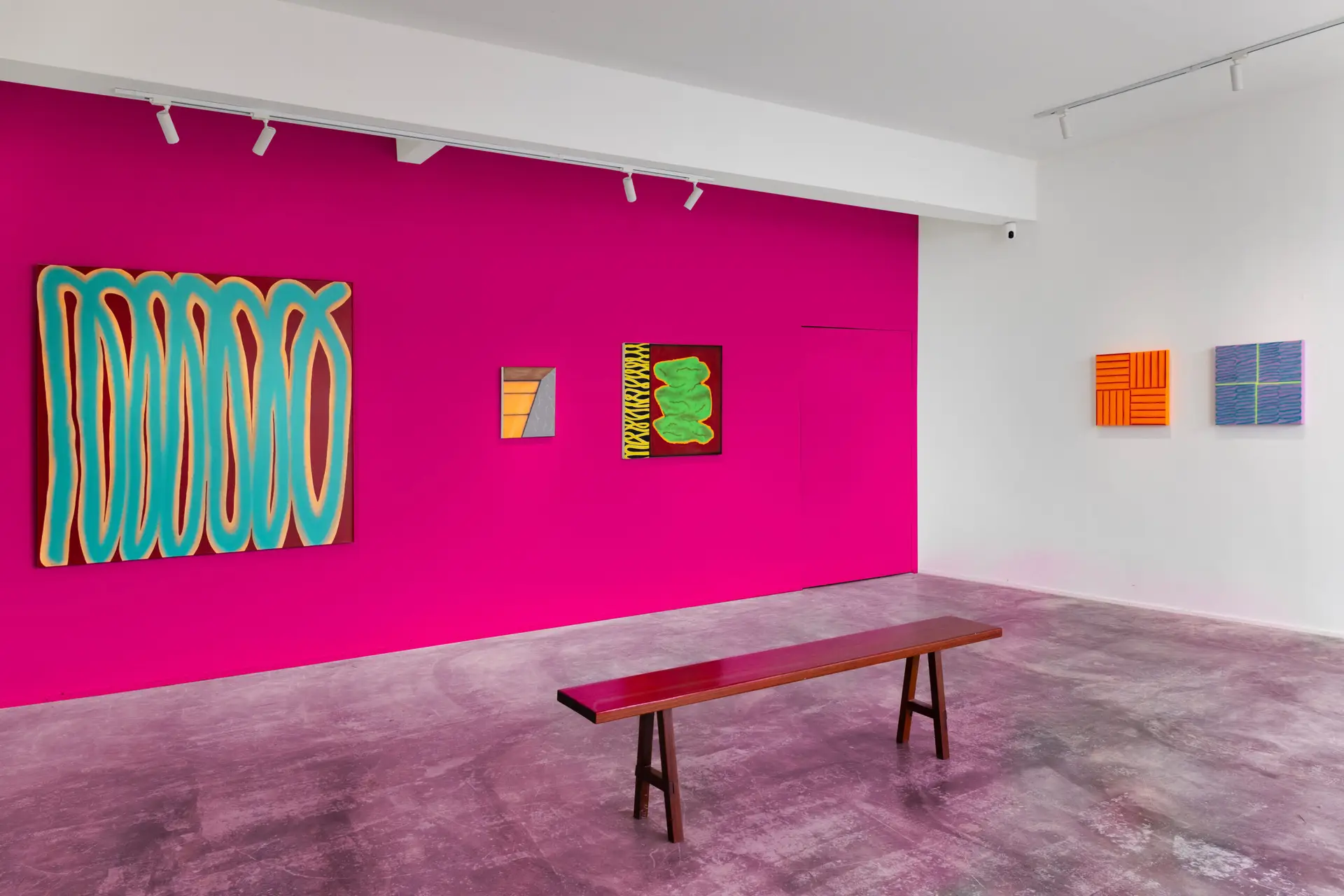
Asia returns to me with an unexpected conversation with Malesyan artist, based in London, Fauzan Fuad. Fauzan explores and reveals raw abstracted residue of personhood through vibrant abstractions spirited by the city, its mundanity, its subcultures and its heart. Surfaces and objects of metropolitan ubiquity are repositioned through expressive abstraction and play. Fauzan’s practice acts as an exquisite and elevated urban playground of fearless gesture, energetic pace and bright boundlessness.
How is Malaysia?
Hot, hazy, and occasionally rainy at the most unexpected moments, even when you’ve checked the weather forecast. Certain areas also experience flooding almost every year. It’s not exactly the most pedestrian-friendly country either, so you might want to be a little extra careful when walking around. As for the people, conversations around religion, race, and politics can sometimes be quite sensitive. And then, of course, there are those surprisingly enthusiastic enough to come to the rescue of a corrupted former prime minister with a rather questionable track record. (Laughs.) But despite all the political absurdities and everyday inconveniences, there’s always one thing Malaysia does exceptionally well: food. Thanks to its multicultural society, you can find an incredible variety of delicious and affordable food almost everywhere. I suppose that’s one of the many reasons to stay.
It seems like there’s a vibrant and growing art scene in your country. In your opinion, how has the Malaysian art scene changed since you first started compared to today?
I feel that the Malaysian art scene has grown quite significantly over the years, particularly in the way artists are becoming more experimental and moving beyond the conventional boundaries of traditional art practices. There’s been a noticeable shift towards more contemporary approaches, with artists exploring different mediums, disciplines, and ways of engaging with their surroundings. I remember when ILHAM Gallery first opened in 2016. I think it was an important moment for the local art scene, not only in terms of providing a platform for contemporary Malaysian artists, but also in encouraging a wider public to engage with and appreciate contemporary art. Spaces like these have certainly contributed to shaping the conversations around artistic practices in Malaysia. More recently, it’s also encouraging to see new independent art spaces emerging. Muara Arts Gallery in Kuala Lumpur, for instance, looks like a promising addition to the scene. I think having more spaces, institutions, and platforms for artists to experiment, exhibit, and exchange ideas is essential for the continued development of the local art ecosystem.
You’re influenced by punk culture, vandalism, skateboarding, and the visual language of the city. Can you tell us more about that?
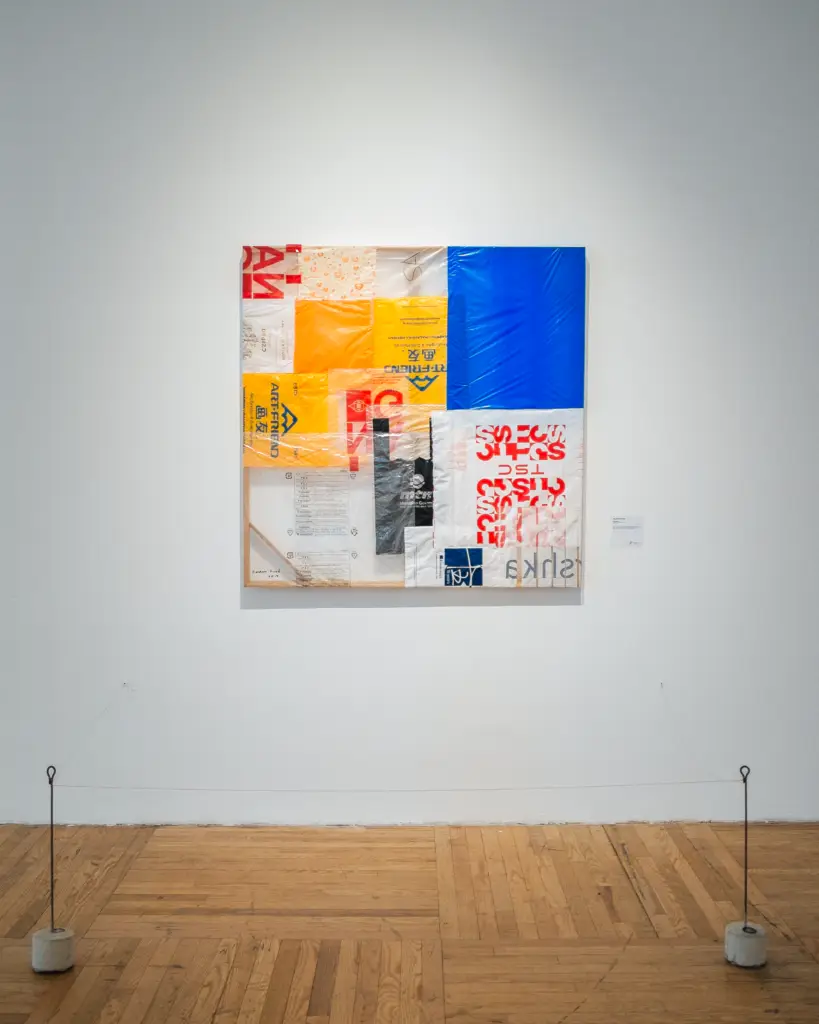
These urban subcultures have been a recurring point of interest throughout my practice, whether through their materiality, underlying ethos, or distinct visual language. I think what attracts me to them is the way they operate outside, or sometimes in opposition to, established cultural and aesthetic conventions. Punk culture, for instance, has a personal connection to me. I spent much of my twenties immersed in its ethos and music scene, so my interest in it comes from having experienced that culture rather than simply observing it from the outside. Skateboarding has also been a significant part of my life since I was thirteen. I was actively involved in the scene for many years and was fortunate enough to receive sponsorship from various skate brands and skate shops for around ten to twelve years. Beyond the sport itself, skateboarding introduced me to a particular way of seeing and interacting with the city, especially through its relationship with public space, architecture, and the appropriation of urban environments.
I’m also interested in vandalism, although perhaps more specifically in the gesture or act of expression behind it, rather than vandalism as an act of destruction itself. I’m drawn to its immediacy, its rawness, and its somewhat instinctive approach to mark-making. There’s something interesting about how these gestures challenge ideas of authorship, ownership, and what is considered acceptable within a public visual environment.
I think all these experiences have gradually found their way into my artistic language, both consciously and subconsciously.
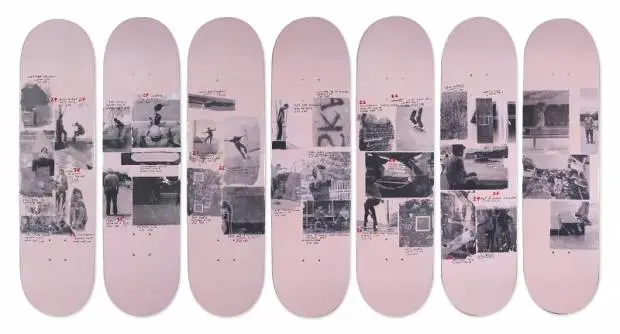
Which painters have influenced you?
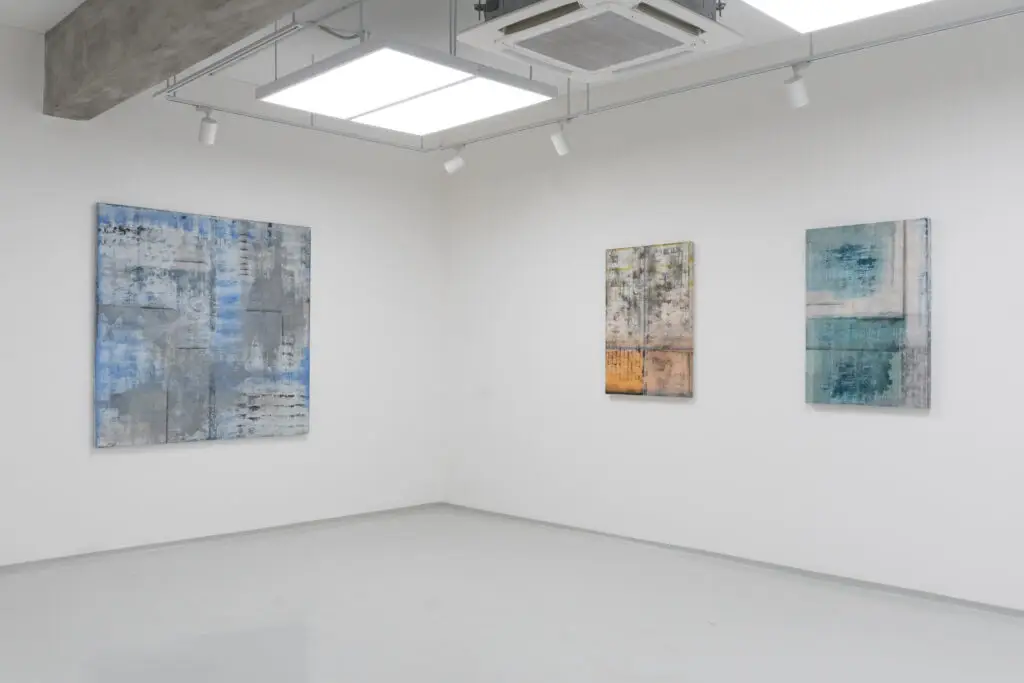
Back in 2012, I was particularly drawn to the works of Jean-Michel Basquiat and Cy Twombly. I was interested in their gestural approaches to painting, their use of mark-making, and the way they navigated between abstraction, figuration, and text. These days, I would probably say Rudolf Stingel. I’m particularly interested in how his practice challenges the conventions of painting, especially through his exploration of surface, materiality, and the relationship between an artwork and its surrounding environment.
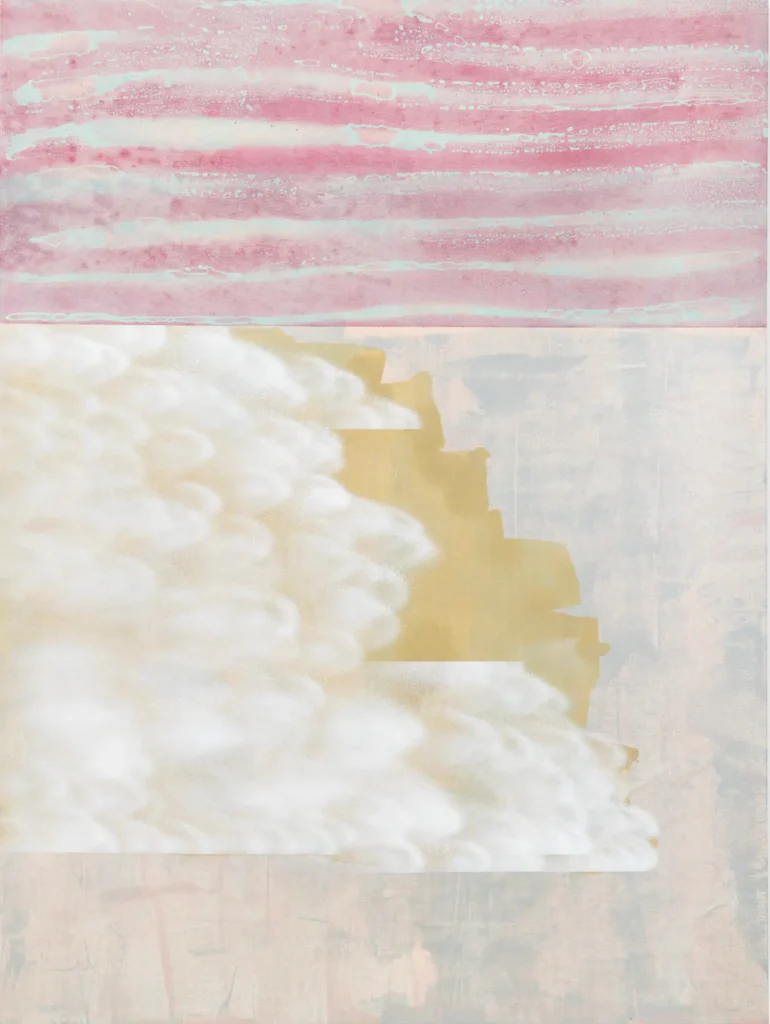
What is your creative process like? Has it evolved over time?
My earlier works were primarily concerned with examining urban subjects and the contexts of the cities I found myself living in at different points in my life. I explored these interests mainly through painting and photography, using both mediums as ways of documenting, interpreting, and responding to my immediate surroundings. In painting, I was particularly interested in the physicality of the medium, including gestures, mark-making, and the accumulation of visual elements on the surface. I think these approaches were also influenced by the visual language of the urban environment, where layers of images, traces, interventions, and markings constantly overlap and coexist. I think my creative process has always revolved around the idea of moving ‘in and out’ of somewhere. This could be quite literal, such as moving between the studio and the domestic space I occupy at a particular moment, or something more abstract, like navigating between feelings of comfort and irritation. I’m interested in these transitional spaces and psychological conditions, and how they inform the way I approach making work. In a way, I see this movement between different spaces and states of mind as an ongoing part of my artistic process.
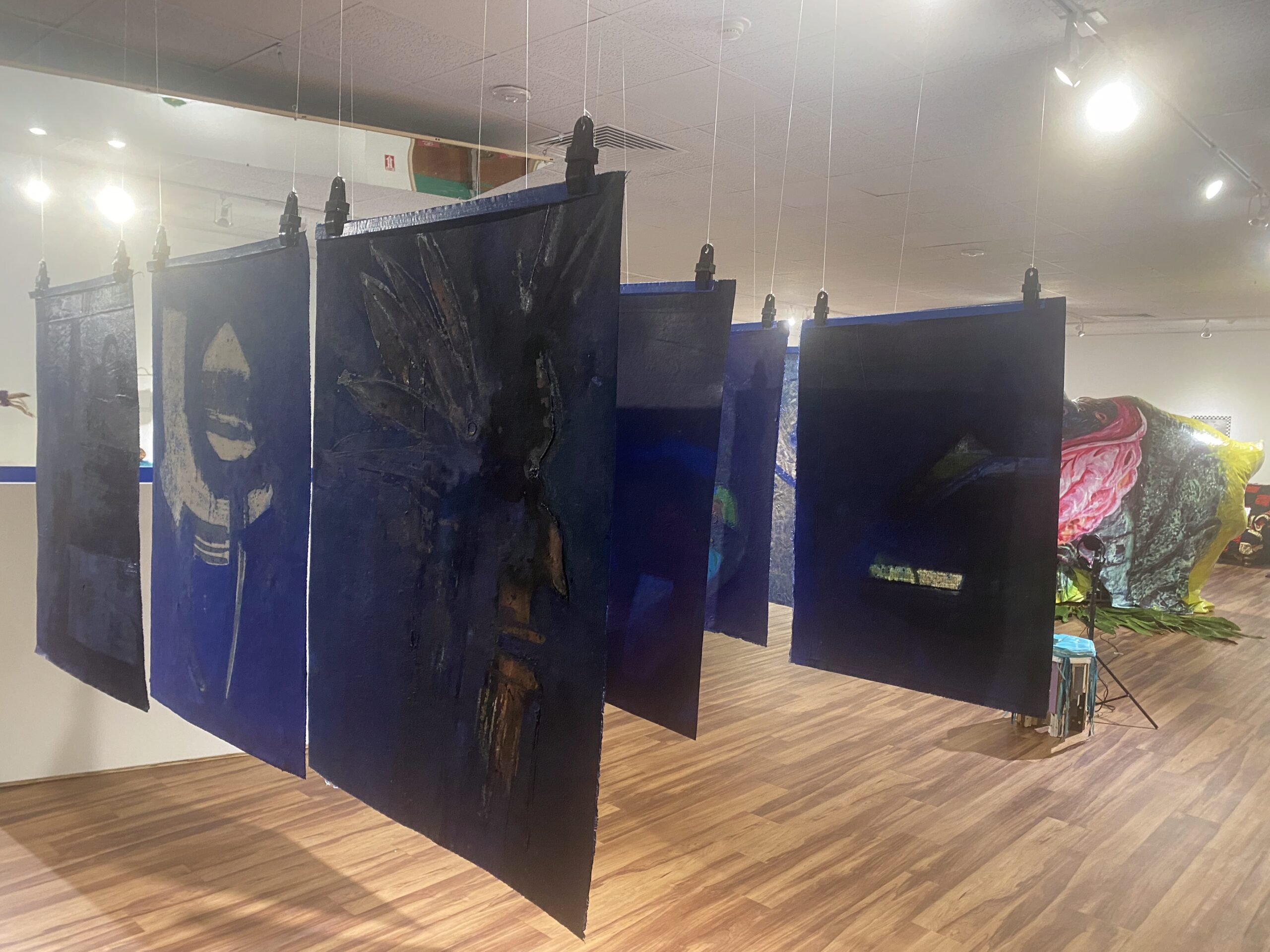
Over the past two years, my practice has started to expand beyond a predominantly studio-based approach. I had my first experience working with site-specific practice through the ‘SUNYI’ residency programme, organised by the National Art Gallery of Malaysia. It was an interesting shift for me, as it encouraged a different way of thinking about the relationship between the artwork, its physical location, and the surrounding context. Rather than simply bringing an existing body of work into a particular space, I became more interested in allowing the site itself to inform the development and direction of the work.
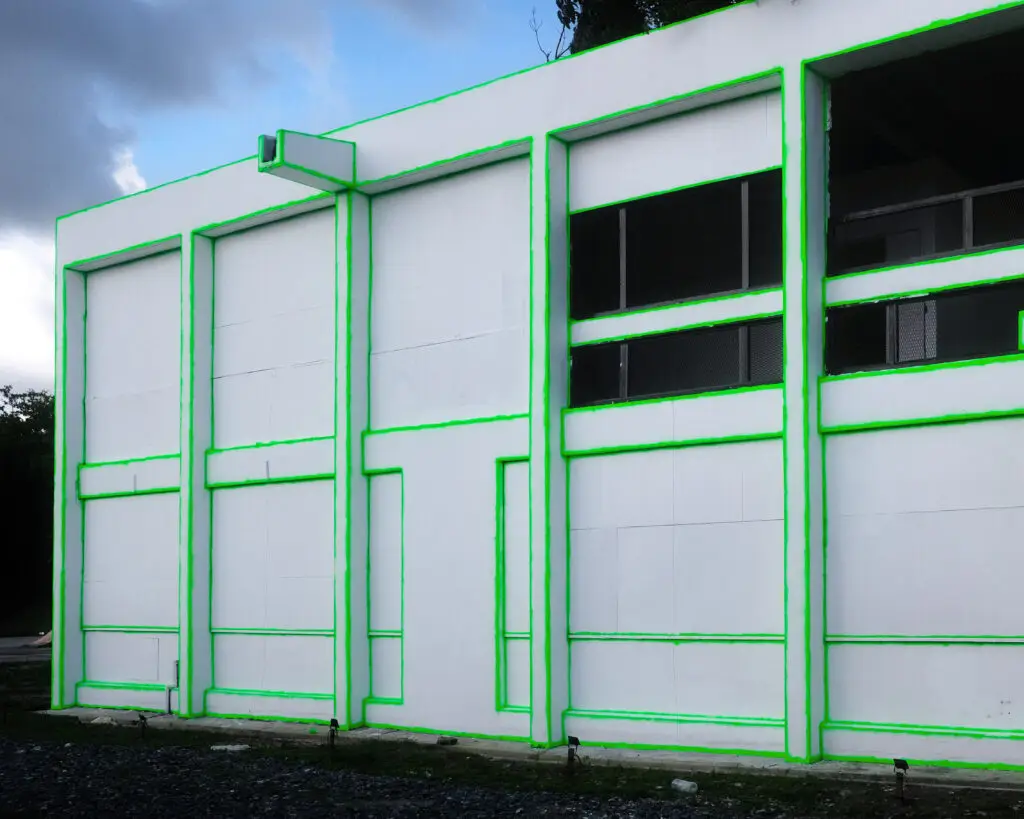
Last year, during the Rimbun Dahan Southeast Asian Arts Residency Programme, my practice expanded further into photography-based installations and video-performance. I became increasingly interested in using the camera as a medium to stage, perform, and register certain actions or situations, where the act of recording itself becomes an integral part of the artistic process and the eventual form of the work. This also opened up a different way for me to consider the relationship between the body, space, time, and the act of making an artwork. I wouldn’t necessarily say that I’ve abandoned painting, but rather that my practice has become more open to different mediums and methodologies. I’m still interested in the same underlying questions, but I’m becoming less concerned with finding a fixed medium through which to express them. Instead, I’m more interested in allowing the nature of an idea, a situation, or a particular context to determine how the work takes shape. I suppose my practice is still evolving through this ongoing process of moving between different mediums, spaces, and ways of making.
Fauzan Fuad (b. 1987, Kuala Lumpur, Malaysia) is a painter and multimedia artist who engages with the textures of urbanity and the poetics of the raw materials that architect contemporary life.
Fauzan presented his first solo exhibition at ChinaHouse, Penang, in 2018, followed by 44 at Zon Tiga, Kuala Lumpur, in 2020, and POV at Rissim Contemporary, Kuala Lumpur, in 2024. That same year, he participated in SUNYI, an artist residency programme organised by the National Art Gallery in Langkawi.
His work has been included in exhibitions locally and internationally, including Cannot Be Bo(a)rded at Espace Commines, Paris (2017); SH/FT: Contemporary Visual Art at White Box, Kuala Lumpur (2019); the Gwangju International Art Fair, South Korea (2020); CONSTANT PRESENT at FINDARS Art Space, Kuala Lumpur (2021); and the Malaysia Emerging Artist Award 2022 Exhibition at HOM Art Trans, Kuala Lumpur. Fauzan lives and works in Kuala Lumpur.
N. November 1, 2026