By Francesca Bignotti
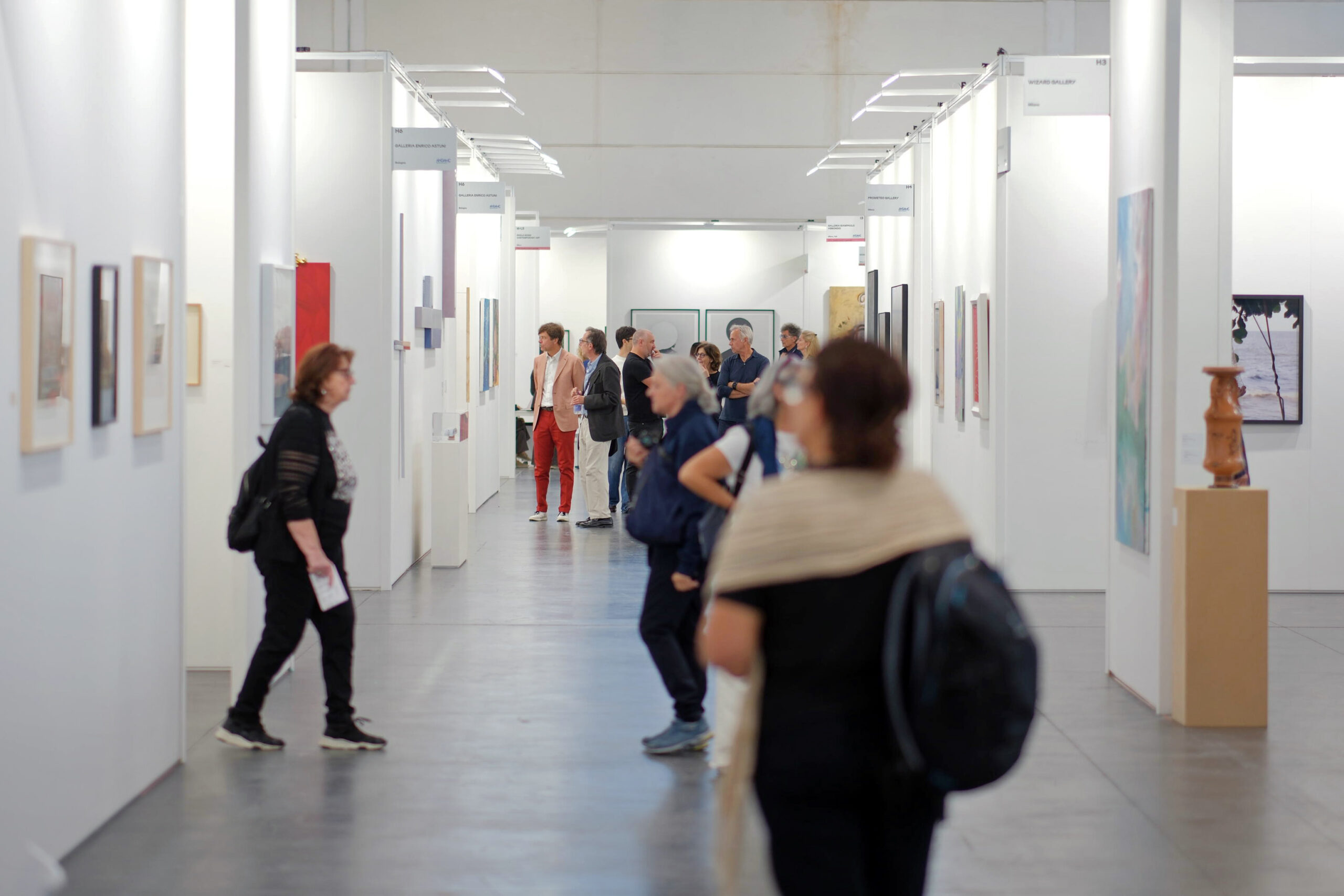
At its twenty-first edition, held from 9 to 11 October 2026, ArtVerona’s ambition to broaden its international horizons was reflected in the participation of galleries from countries still underrepresented in the Italian art fair landscape. Artistic director Laura Lamonea described this decision as part of an effort to «strengthen dialogue with the international context, involving galleries from Korea, China and India, with the aim of attracting new collectors from these countries». Among them was Art Explore, a New Delhi-based gallery that chose Verona for its European debut, presenting six artists united by their Indian origins but whose artistic sensibilities and practices resist any straightforward classification under a shared identity.
The participating artists differ in their training, points of reference and, above all, their approaches to making art. The diversity of their artistic languages, immediately apparent in the display, is reflected in their distinct understandings of materiality. The gallery itself emphasises this diversity in its description of the exhibition project, drawing attention to the specificity of the materials and the ability of the works to retain their intensity even within the relatively modest dimensions chosen for the fair presentation. More interesting, however, is the way this diversity is communicated to European audiences. In its promotional material for the event, Art Explore invokes the artists’ Indian roots and associates their origins with a distinctive sensibility, presenting this difference as a reason to engage with their work. Yet the very notion of difference presupposes a point of comparison, which in this case is the perspective of the European collector to whom the presentation is explicitly addressed.
The artists represented by Art Explore pursue practices in which memory, architecture, cultural traditions and the experience of place carry different degrees of significance, following individual trajectories that would each warrant closer examination. Bringing them together also responds to the demands of an art fair, where a gallery entering a new market for the first time must establish a recognisable presence among dozens of exhibitors without compromising the distinctive qualities of the artists it represents.
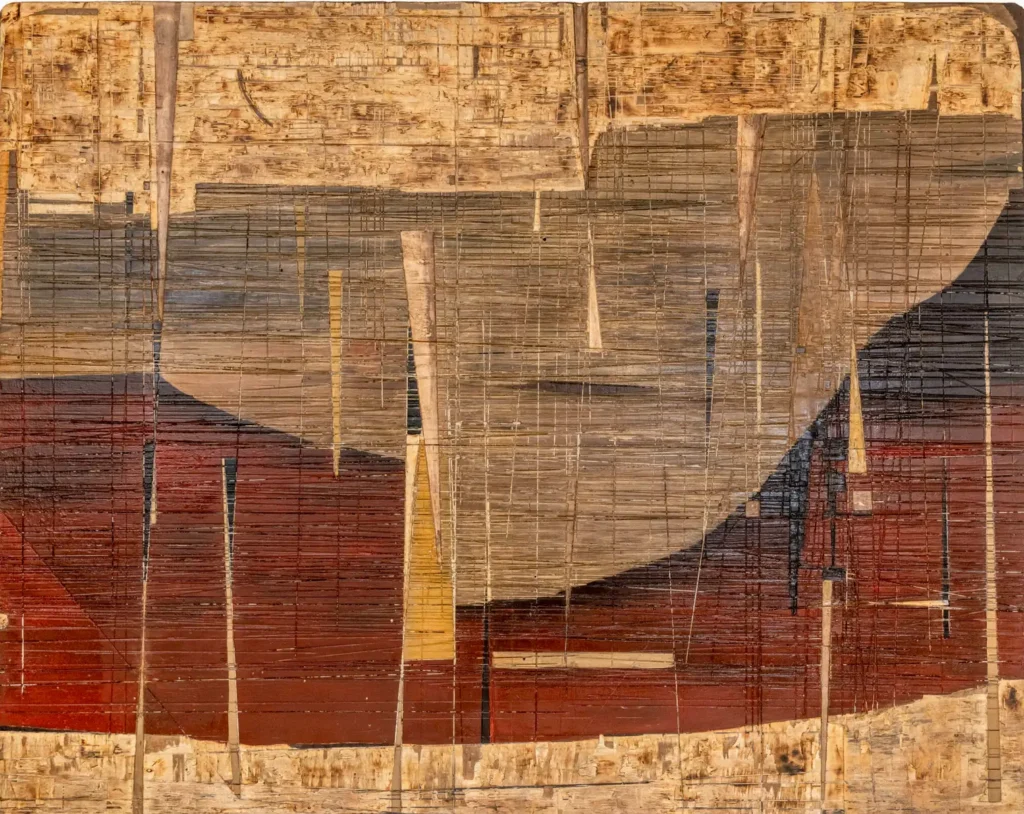
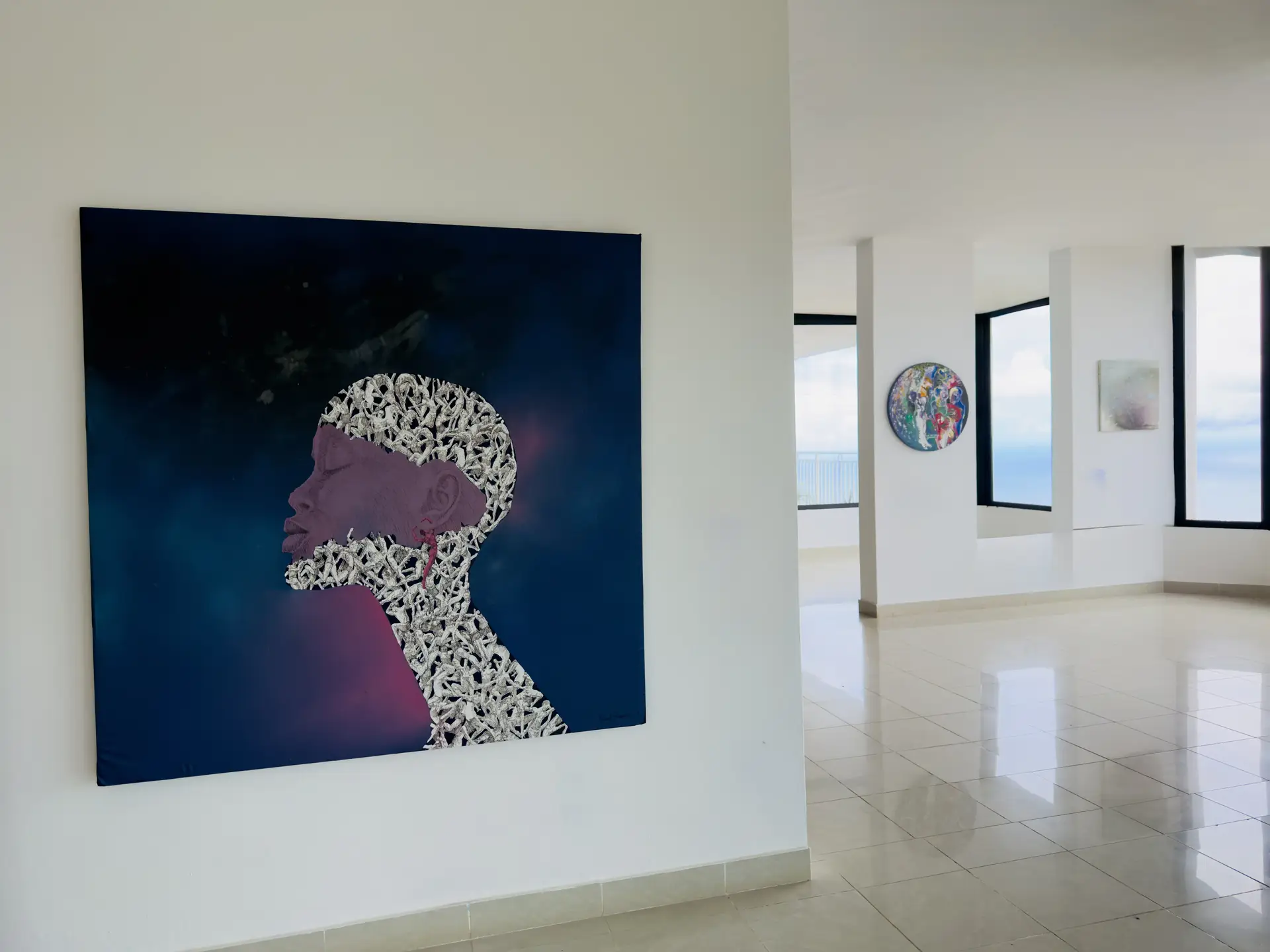
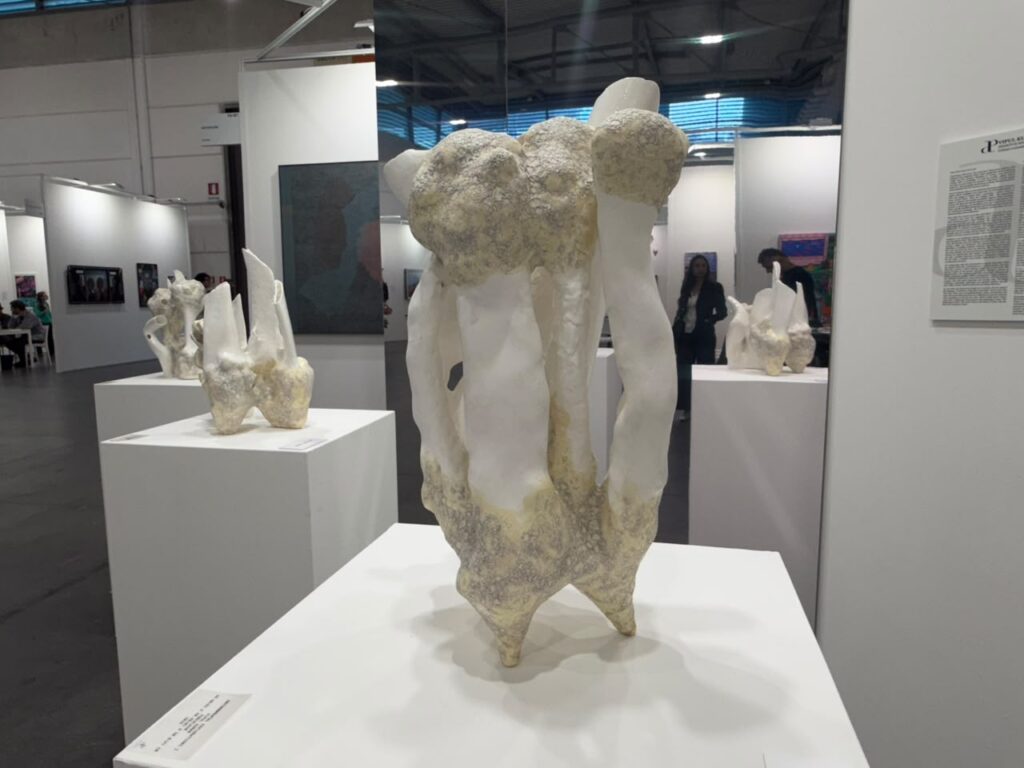
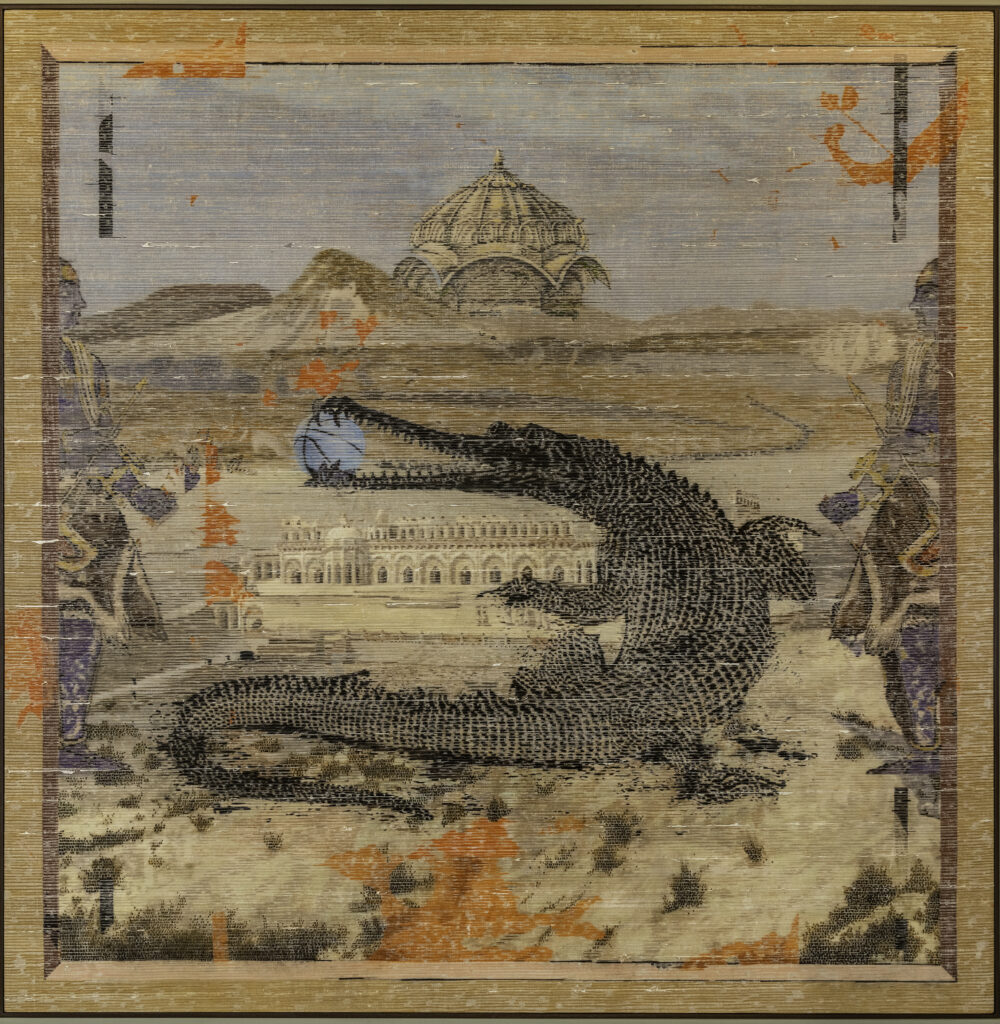
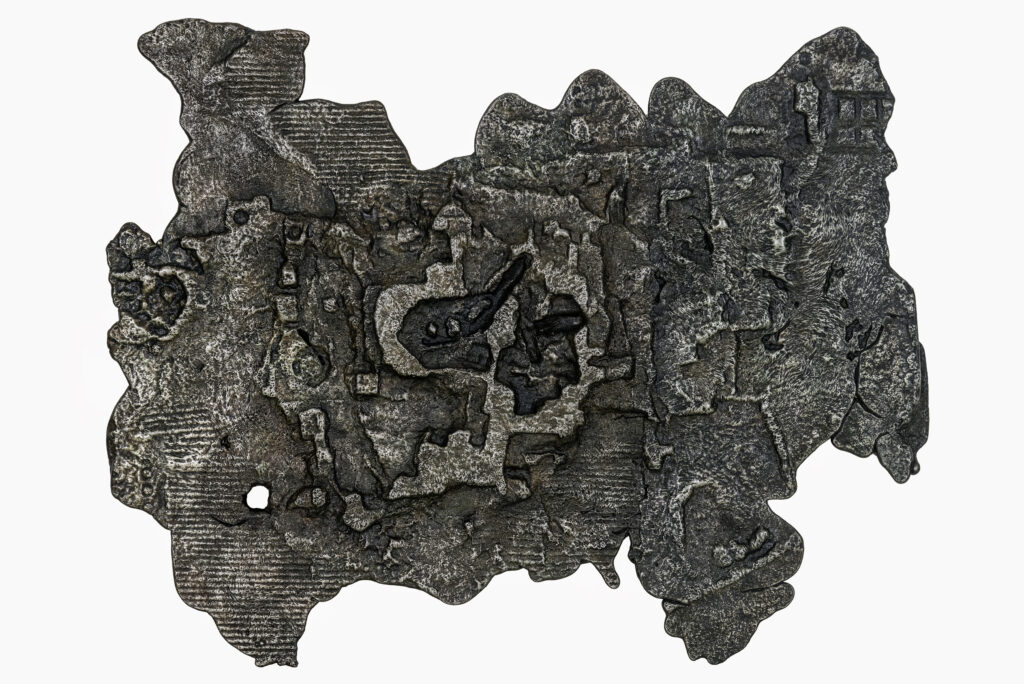
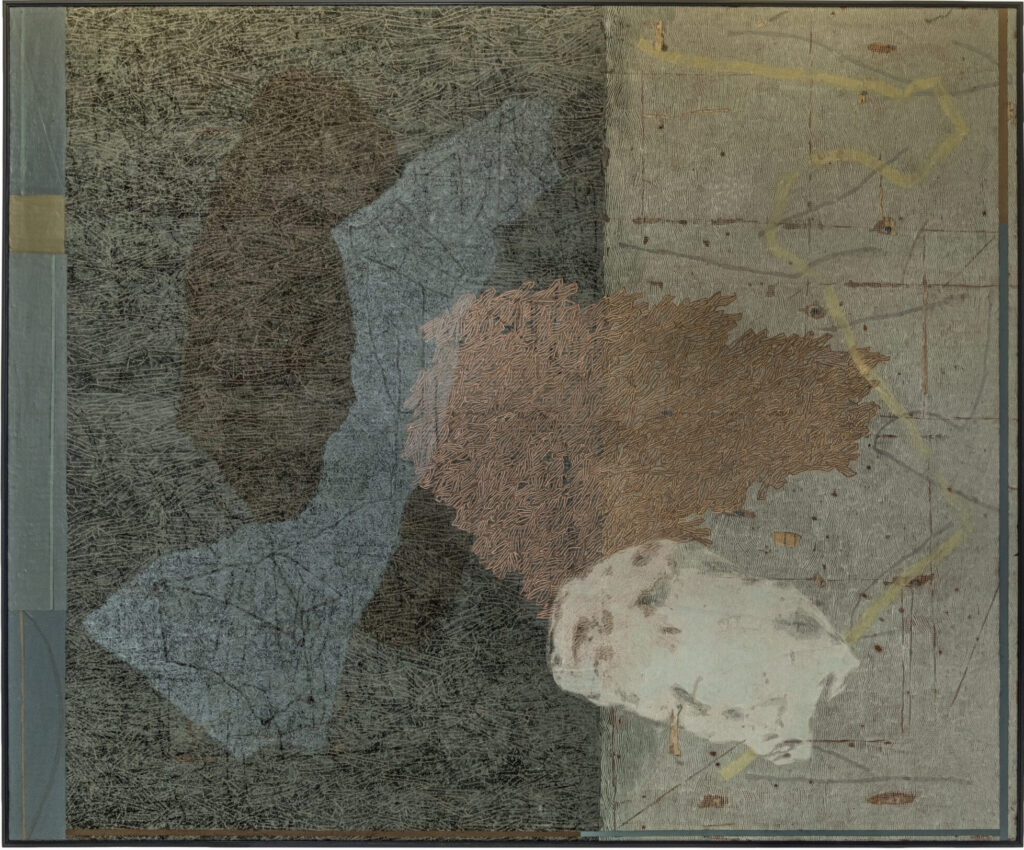
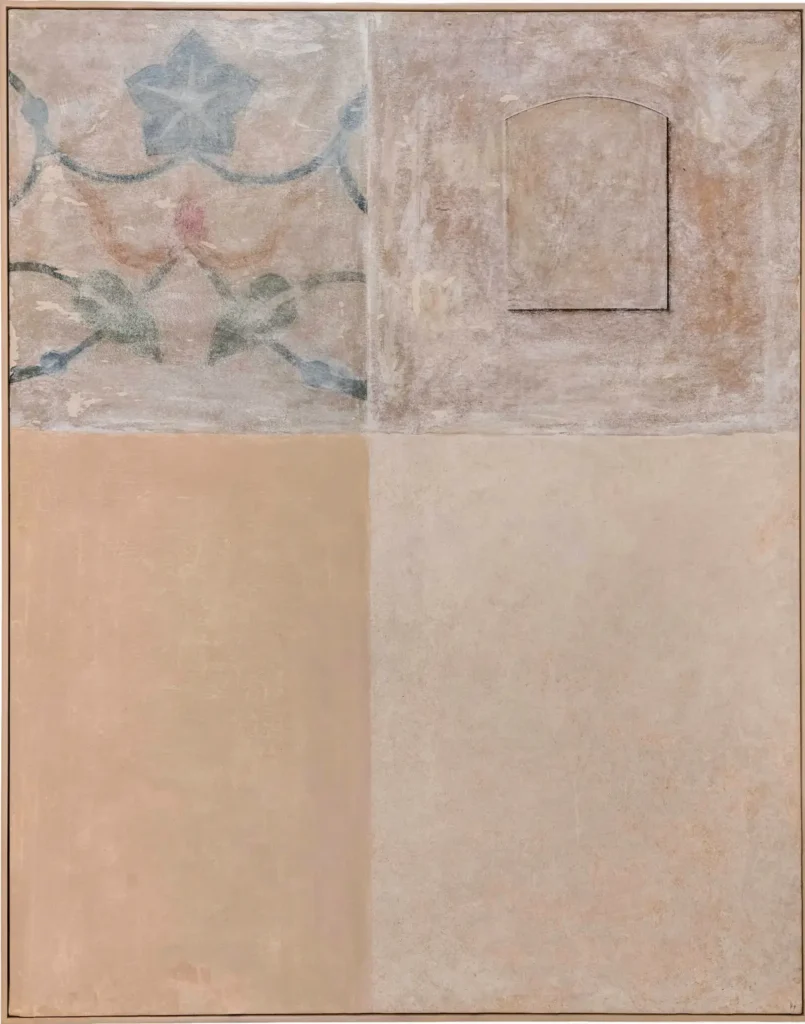
The title of the project, Indian Frequencies, curated by Vikram Singh and Parallelo42 contemporary art, seems to derive its meaning from the dissonances between the works, beginning with each artist’s relationship to materiality. Abhijit Pathak’s painted surfaces, built up through layers of materials and pigments, are presented alongside Balasaheb Chaudhari’s metal reliefs and Vipul Kumar’s porcelain sculptures, whose forms move between abstraction and figuration. While Kiyomi Talaulicar favours a restrained abstraction based on the layering of a limited number of elements, Rubkirat Vohra works predominantly on wood, developing abstract compositions structured around linear forms. Particularly distinctive is the painting of Mangesh Rajguru, who draws upon figures and iconographic references from the past and places them in contemporary situations, creating compositions in which irony and satire become means of reflecting on the behaviours and contradictions of the present. The display panel at the stand assigns each artist a short phrase, almost as though suggesting that the six frequencies need not necessarily be in harmony. Their proximity instead offers an opportunity to compare the works and observe how different materials can serve profoundly different artistic intentions.
For Art Explore, participation in ArtVerona marks the first step in a project that the gallery intends to pursue through lasting relationships with European collectors. It remains to be seen what will follow from this presence and, more importantly, whether opportunities to encounter Indian artists will move beyond the perceived exceptional nature of their origins and make room for a deeper understanding of their individual practices. This prospect concerns both the gallery’s ambitions and those of an art fair that has chosen to invest further in its international character.
ArtVerona 2026, 21st edition
Indian Frequencies
Art Explore Gallery, New Delhi
9 – 11 October 2026
VeronaFiere, Verona, Italy
N. October 17, 2026
Abhijit Pathak (b 1986, lives and practices in New Delhi) is renowned for his large-scale mixed media creations. His works, characterised by intricate layers and subtle nuances, are a captivating fusion of diverse materials such as charcoal, pigments, textiles, and metal. Rooted in his rural upbringing in Bihar, India, Pathak’s art reflects the essence of his surroundings, exploring themes of cultural heritage, historical narratives, and the interplay between urban and rural environments. Inspired by his upbringing and influenced by historical structures and Indian classical music, Pathak’s creations offer a multi-dimensional exploration of human experiences and cultural evolution. His artistic journey expands beyond traditional canvases into sculptures, films, and videos, unlocking new dimensions of expression and sensory experiences. Through his layered and evocative works, Abhijit Pathak invites viewers on a profound journey of exploration and discovery, bridging the past, present, and future through the language of abstract art.
Balasaheb Chaudhari (b 1984, lives and practices in New Delhi) is known for his abstract textured artworks that capture the essence of life and nature. Raised in the vibrant cultural landscape of Maharashtra, India, Chaudhari draws inspiration from his surroundings, particularly the intricate beauty of the natural world. His art reflects a deep connection with nature, exploring the vitality of existence through abstract expressions. Embracing change as an essential aspect of life, Chaudhari infuses his artworks with dynamic layers of texture and form, inviting viewers to contemplate the impermanence and beauty of existence. Chaudhari’s choice of materials plays a crucial role in his artistic vision, with each medium offering unique emotional and physical dimensions. His paper pulp works carry a sense of softness and delicacy, reflecting the ephemeral and tender aspects of nature. In his relief pieces, the space between elements and layers becomes more pronounced, offering a sense of depth and breathing room that enhances the interplay of textures and shadows. Each material in Chaudhari’s practice serves as a distinct lens through which he examines the impermanence and vitality of existence, creating works that resonate on both emotional and material levels.
Vipul Kumar (b 1970, lives and practices in Kothputli) is a distinguished figure in the realm of contemporary sculpture, renowned for his ability to transcend traditional boundaries and evoke profound spiritual depth in his work. With a career marked by relentless pursuit of artistic excellence, Kumar’s sculptures seamlessly merge spirituality, Buddhism, and mythological narratives. Through meticulous research and a deep understanding of ancient stories, he creates timeless pieces that challenge viewers to perceive beyond the tangible. Kumar’s sculptures, characterised by a harmonious interplay of abstract and semi-figurative forms, invite personal introspection and interpretation, while his technical mastery over materials adds layers of complexity to each piece. As a mid-career sculptor of exceptional talent, Kumar’s work promises to continue inspiring and captivating audiences, leaving an indelible mark on the contemporary art landscape.
Kiyomi Talaulicar (b 1965, lives and practices in Mumbai) is known for blending figurative and abstract elements in her work. She earned a Bachelor of Fine Arts in Painting from Sir J.J. School of Art, Mumbai, in 1986, where she was a gold medallist. Pursuing further studies, she obtained a Master of Fine Arts in Painting from East Carolina University, North Carolina, receiving the Gravely Foundation Scholarship and the Liquitex Excellence in Art Award. In 2001-02, she was honoured with the Jerome Foundation/Women’s Art Registry of Minnesota Scholarship. Talaulicar’s art explores themes of human vulnerability and self-reinvention, employing multimedia layers to create textured, contemplative pieces. Her exhibitions span both national and international venues, including solo shows at Chemould Prescott Road in Mumbai and The Arts House in Singapore. Her work has also been featured in Art Dubai and multiple editions of the India Art Fair in New Delhi and Art Mumbai 2024.
Rubkirat Vohra (b 1978, lives and practices in New Delhi) is a contemporary artist whose work bridges the worlds of architecture and abstract art, infusing the stoic elegance of stone and steel with vibrant hues and dynamic shapes. Inspired by the structured beauty of architectural forms, Rubkirat’s artistic practice delves into the depths of abstraction, using lines and geometric patterns to convey profound emotional and spiritual themes. Central to her work is the Mehrab, a symbolic motif in Islamic architecture, which she deconstructs and reinterprets to explore themes of stability, faith, and personal introspection. Through her process-based approach, Rubkirat invites viewers to contemplate the intersection of the physical and metaphysical realms, offering a glimpse into her own spiritual journey through the lens of abstract expressionism.
Mangesh Rajguru (b 1987, lives and practices in New Delhi) is an artist whose captivating exploration of humour, seriousness, irony, and satire weaves together elements from history with a contemporary narrative. Through his vibrant and figurative works, Rajguru delivers nuanced messages that serve as a mirror to the complexities of society. His art, rich in colourful imagery and playful motifs, carries profound commentary on present-day issues, juxtaposed with historical references. Encouraging a thoughtful examination of history, Rajguru’s works urge society to learn from the past and integrate its lessons into modern life. Stimulating introspection, his compositions provoke viewers to reflect on societal dynamics while emphasising the importance of collective memory in navigating contemporary challenges. Mangesh Rajguru’s artistic oeuvre serves as a catalyst for meaningful conversations about society, inviting audiences to cherish the richness of the present while drawing wisdom from the past.