By Alessia D’Introno
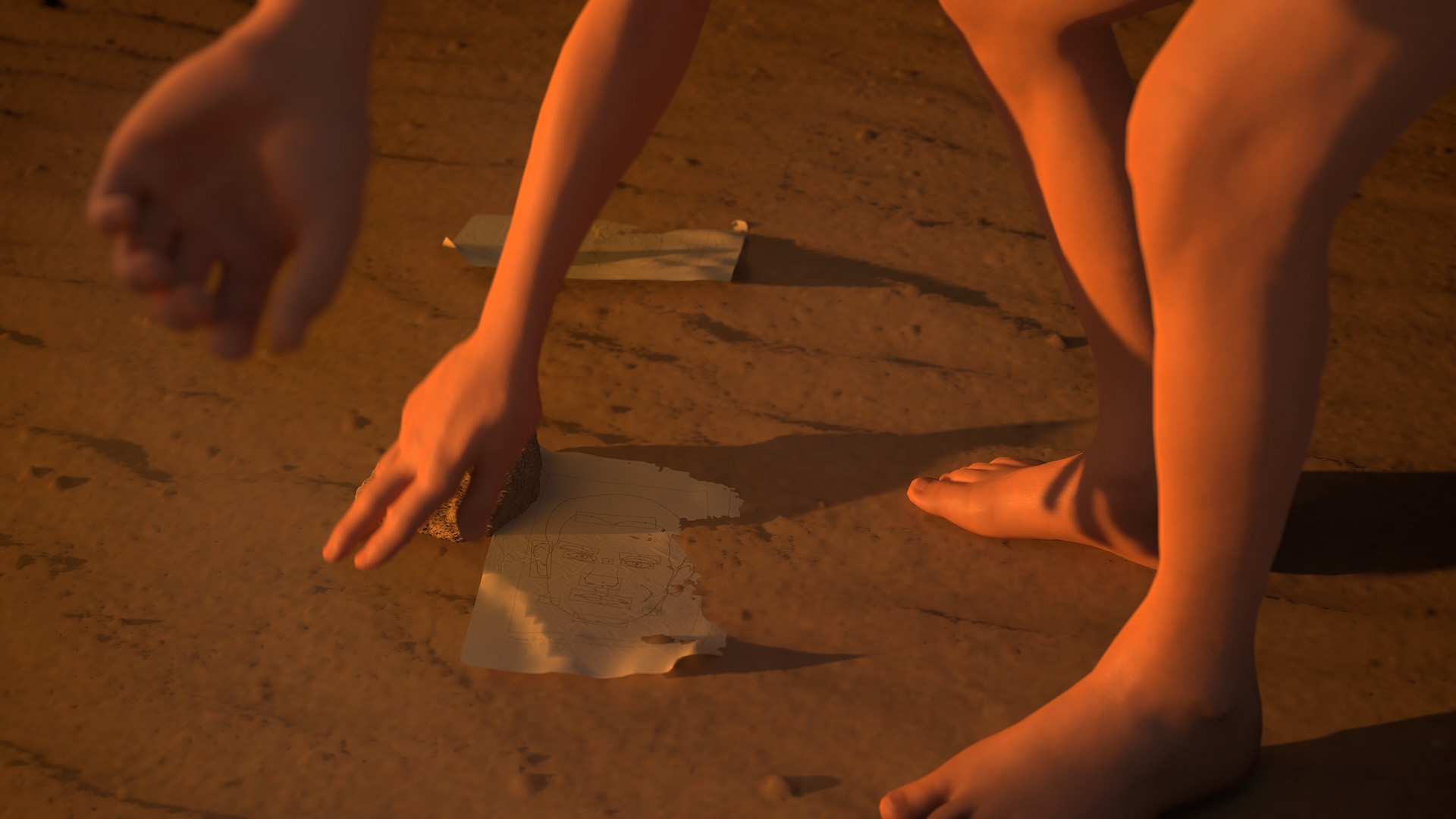
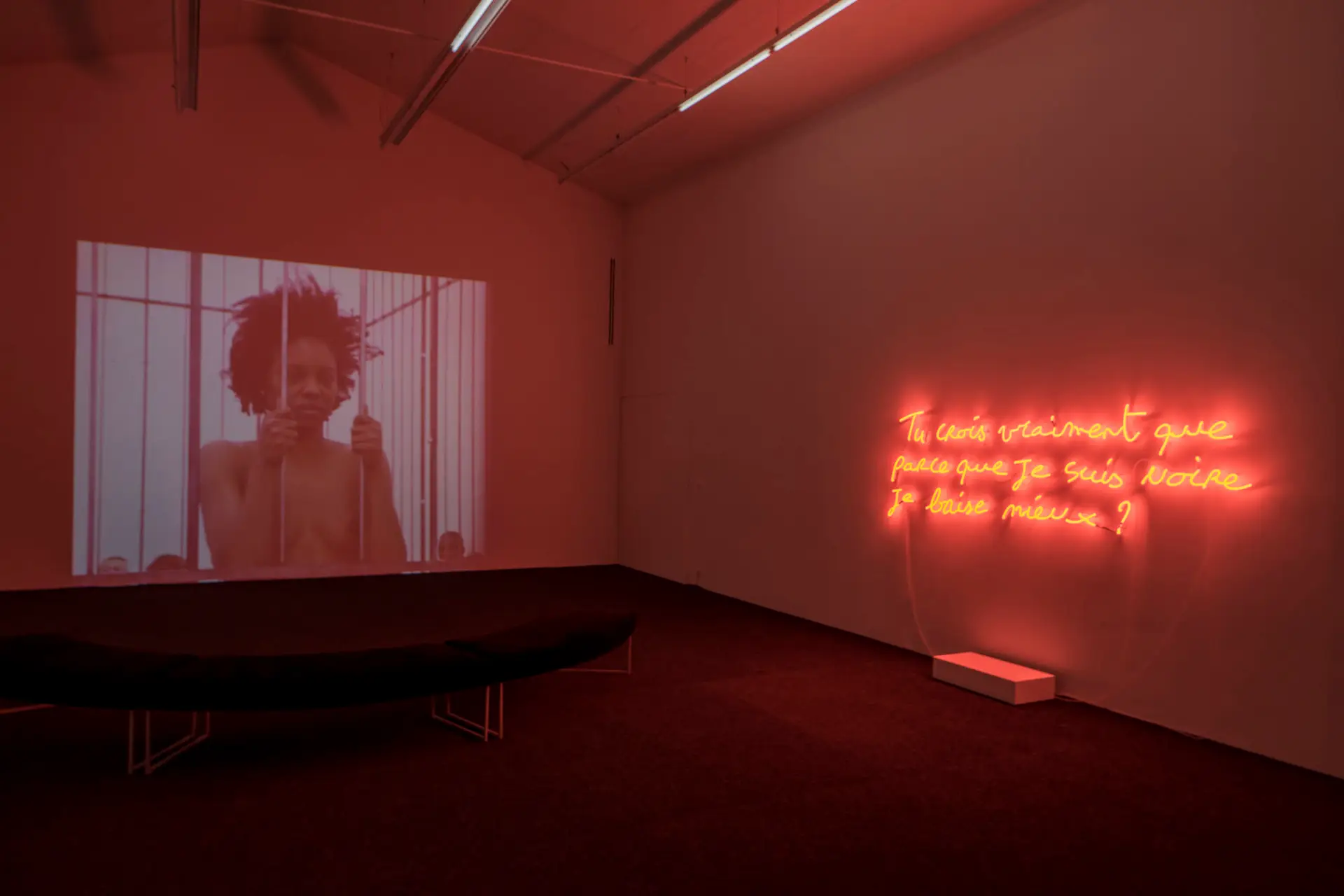
Do images merely show us reality, or do they contribute to constructing it? When does an image stop being a simple representation and become a form of power? These are some of the questions that naturally arise when we encounter Cinema Impero, the work by artist and performer Muna Mussie, presented by Noise, Il Cinemino in collaboration with BASE Milano.
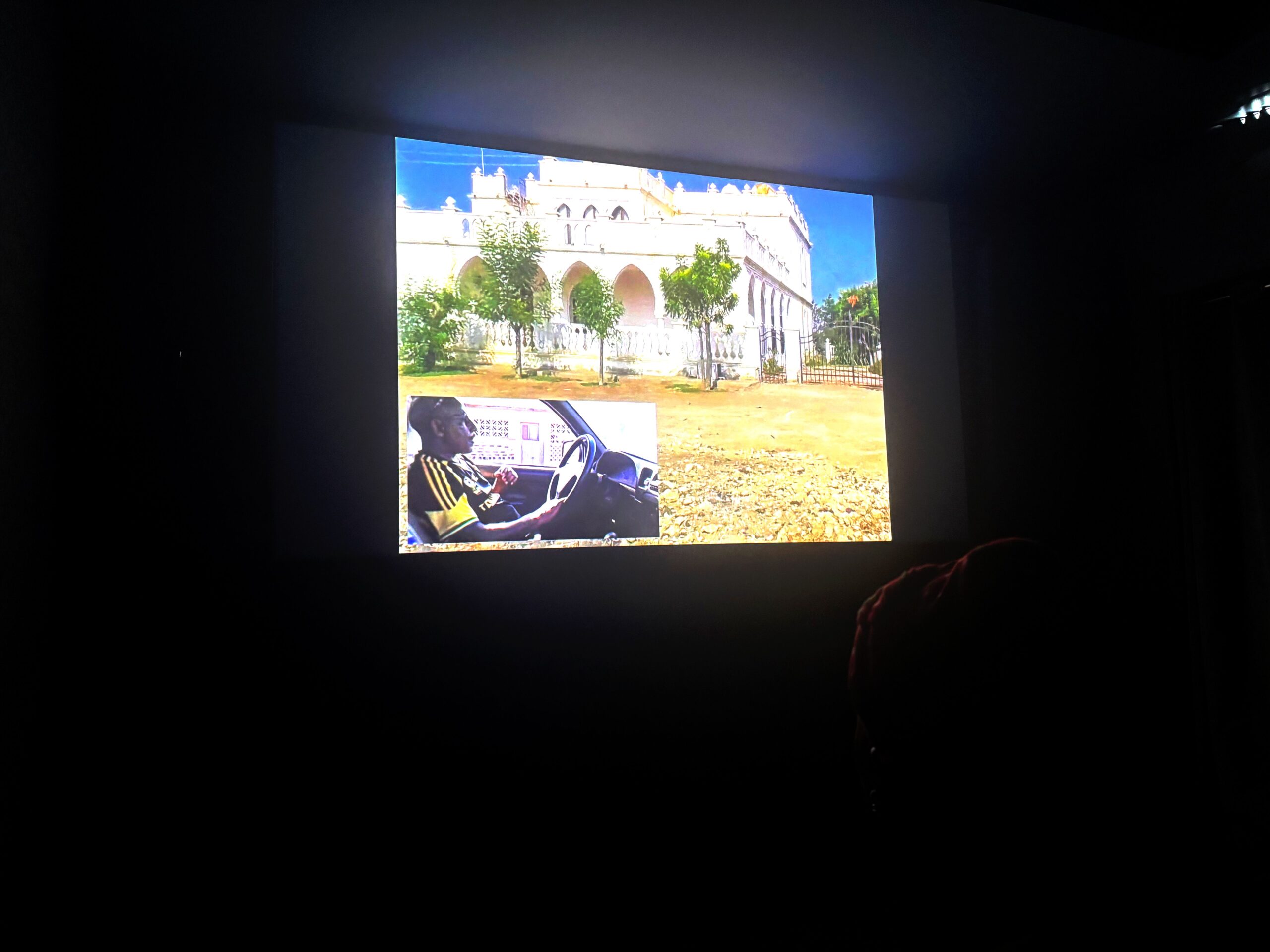
Cinema Impero takes its name from the first and last images of the screening. Founded in 1937 in Asmara, Eritrea, on what was once called Mussolini Street, the Cinema Impero appears in the images as disused, commissioned out of its time, now dark and isolated.
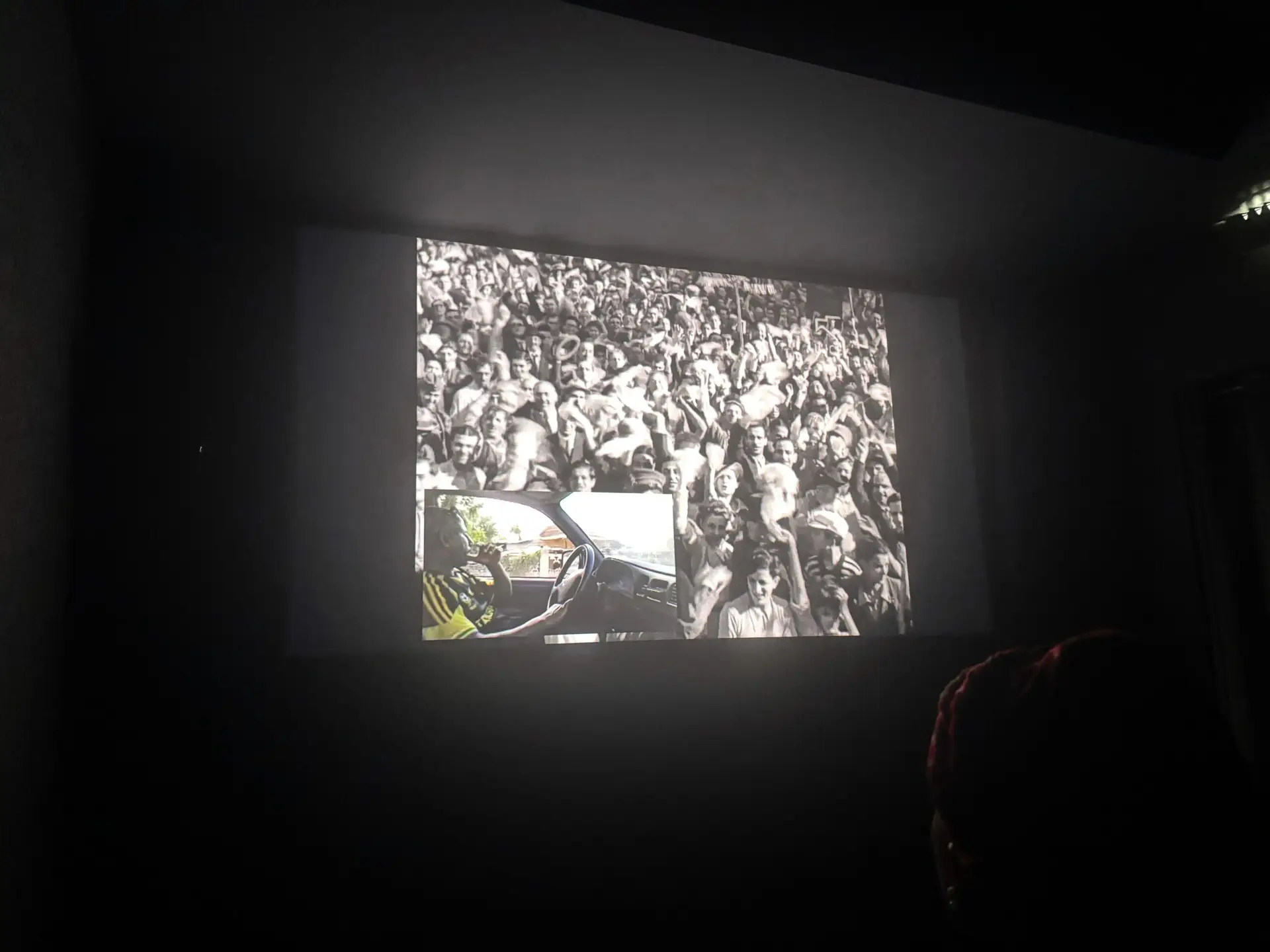
During the fascist period, cinema played a crucial role in propaganda, as did photography. Mussie develops a work on the boundary between performance and cinema, where her presence stands in contrast to the images from Istituto Luce, founded in Rome in 1924 as a film organization used by the italian fascist state. The artist’s voice spreads through the headphones, making the experience intimate and personal.
A second voice also appears in the screening that of artificial intelligence, which describes the images while introducing certain historical and descriptive errors: a camel, for instance, becomes a lion.
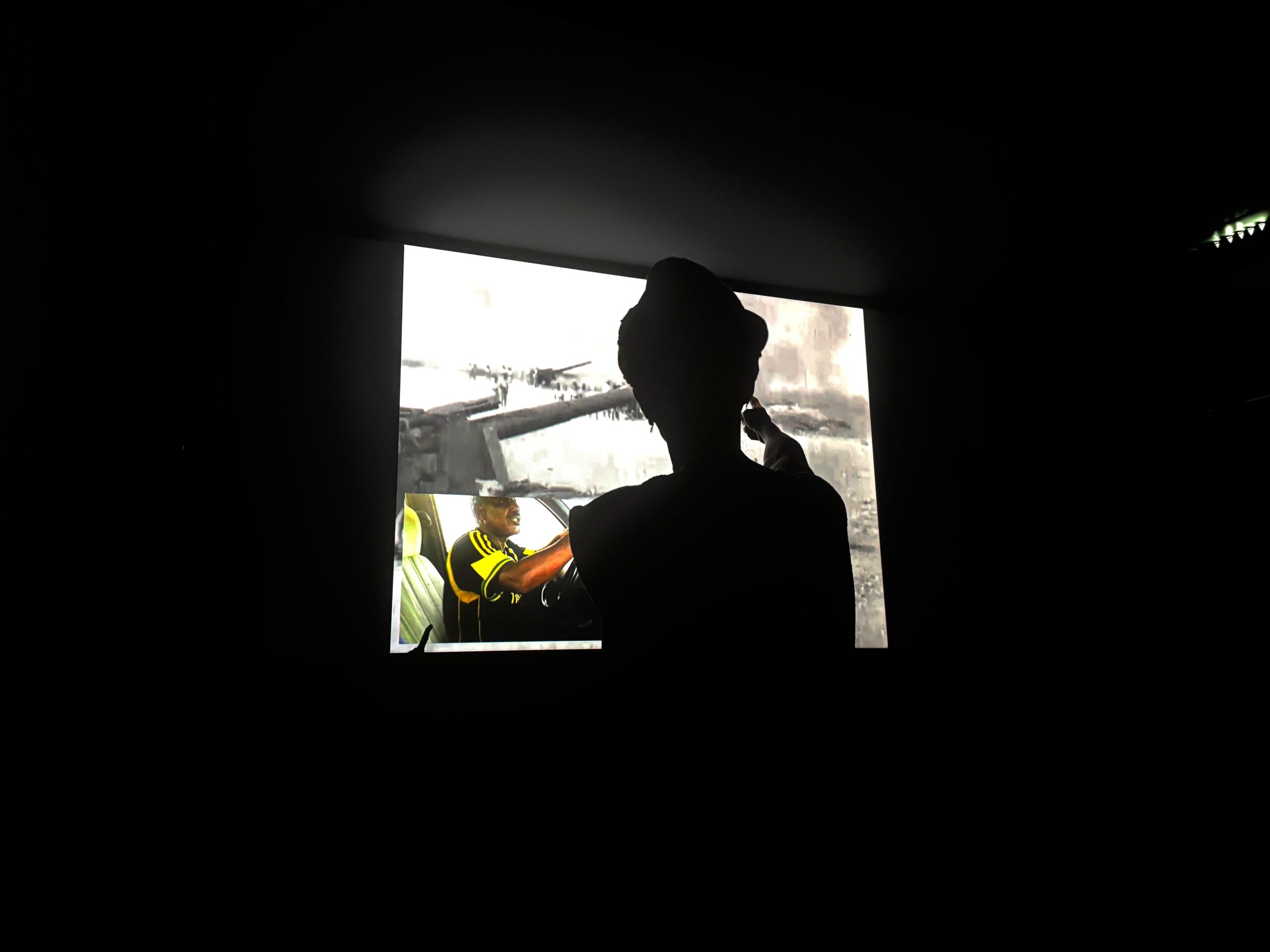
Dense and meaningful are the images of smiling Italian soldiers ready to depart for colonial wars in Africa, highlighting the power of propaganda in causing violence to be perceived as saving, civilizing missions. The artist undertakes a journey through these photographs, retracing them and alternating them with videos from her personal archive of more intimate places, such as the beach of Massaua.
Here, the experience becomes personal, and for the first time, one feels the sense of something missing from those early colonial archive photographs: the presence and the reverse shot (controcampo) of those who experienced that war as an invasion.
The flashlight wandering around the cinema room before the screening of Cinema Impero, held in Mussie’s hand, was a beam, a search for something, a questioning much like her words, which created a rift between past and present. The exact same words, taken from Istituto Luce, carried a different meaning.
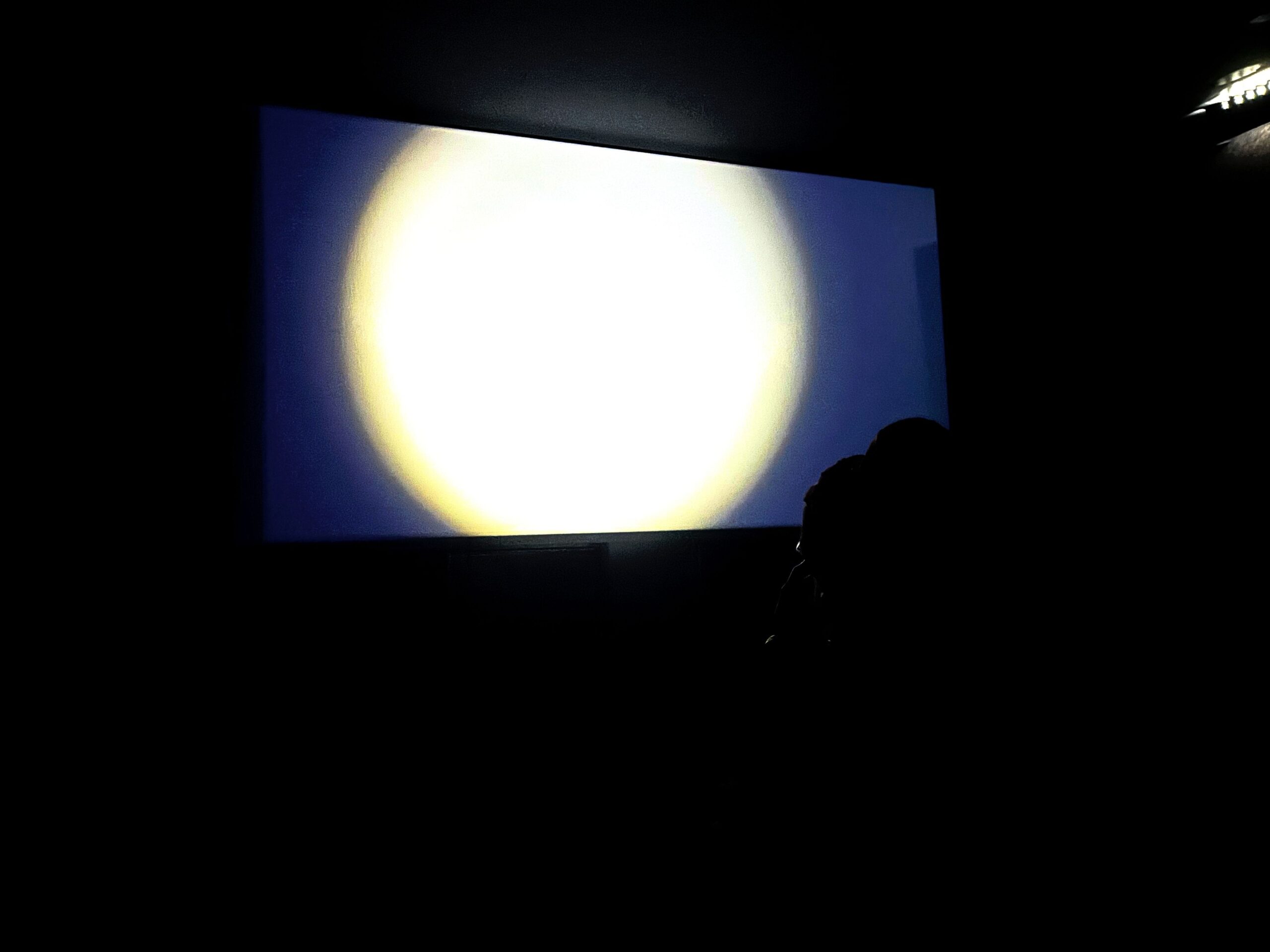
That narrative is allowed to speak, yet, heard through the artist’s voice, it creates a shift, altering the perception of a subtle, invisible, yet present violence. Mussie intervenes in the device of official representation and the manipulation of reality, bringing its cracks to light. She disrupts the archive’s claim to be a complete and one-sided narrative. It is within this gap between images, voices, and what has been told that Cinema Impero invites us to question the representations and narratives of both past times and our own.
Muna Mussie (Eritrea, 1978) began her artistic career in 1998, training and working as an actress and performer with Teatrino Clandestino until 2001. In 2002, she attended the European advanced training course for actors at Teatro Valdoca, led by Cesare Ronconi, and continued collaborating as an actress until 2012.
From 2001 to 2005, she was a founding member of the research collective Open, where, following the performance opentolikemunamussie (2005), she began developing a desire to investigate her own ways of being on stage.
Muna Mussie’s work spanning gesture, vision, and word explores the languages of stage, performance, and visual arts to give shape to the tension arising between different expressive poles. Her work has been presented in numerous international museums and cultural centers.
CINEMA IMPERO. Muna Mussie
Noise il Cinemino, Milano
FAROUT LIVE ARTS FESTIVAL. BASE MILANO

Alessia D’Introno is Editor-in-Chief of the African contemporary art magazine Equator Echoes, registered in the Special List of the Lombardy Journalists’ Association. She holds a Master’s degree in Visual Arts and Curatorial Studies from NABA, Milan, and has completed a postgraduate course in Demoethnoanthropological Heritage at the University of Milano-Bicocca. She has published articles in Juliet Art Magazine and ArtsLife. Her critical and curatorial research focuses on the deconstruction of classical art history and the decolonization of the contemporary European art system.
Translate by Luigina D’Introno
N. October 2, 2026