Why is art fundamental to feminisms? Bodies and counter-narratives in Koyo Kouoh’s curatorial practice
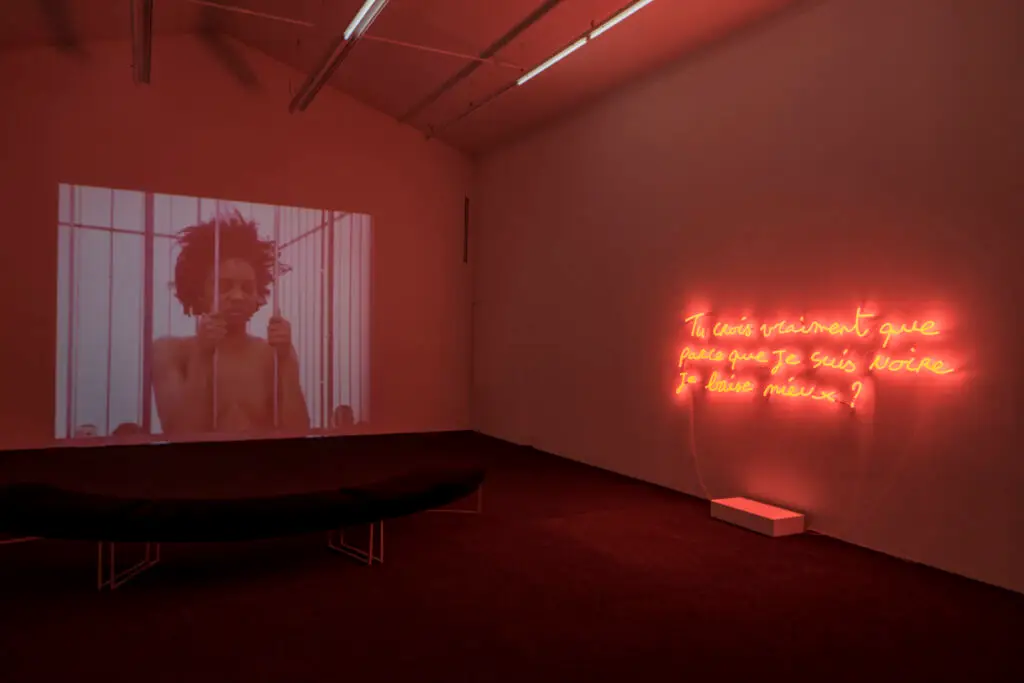
By Alessia D’Introno The artist does not necessarily work to construct new forms, but their ability often lies in the capacity to bring to the surface memories, bodies and knowledge that dominant paradigms have concealed, excluded or marginalised. Their intervention can open cracks within inherited narratives, bringing to light what has been silenced and restoring […]
Jeffrey Otoo: living the Contemporary through painting, materials, and the shapes of time
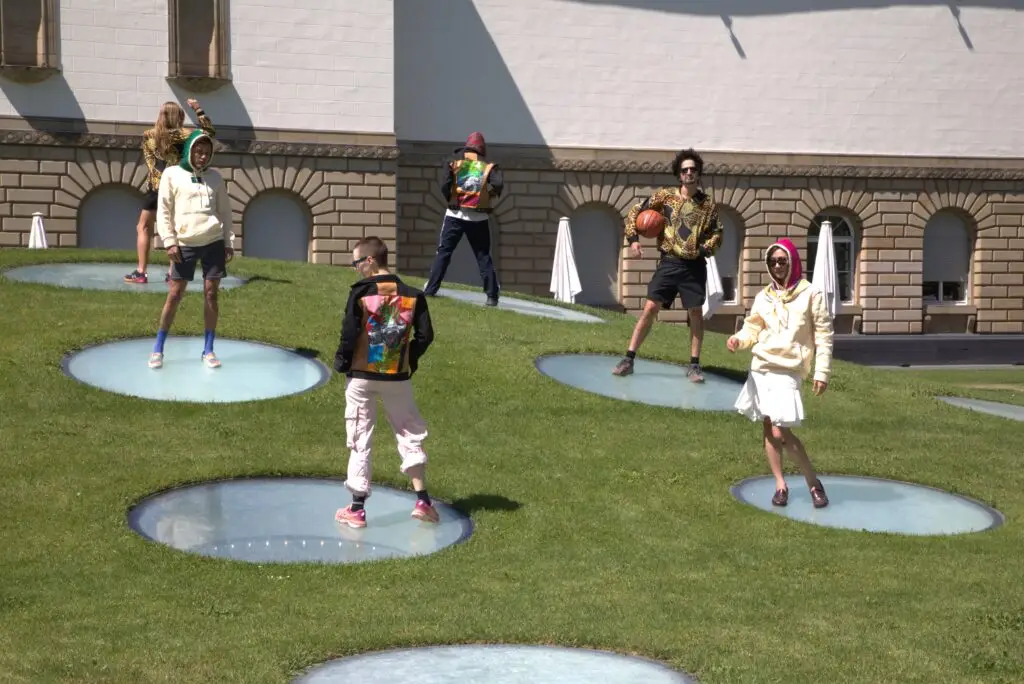
By Alessia D’Introno In this conversation with Ghanaian artist Jeffrey Otoo, the power of his work emerges through materials, unexpected relationships with nature, and instantly recognizable forms. Painting becomes an innovative medium of expression, shaped and continuously questioned to build new relationships with time and the surrounding elements of life. At the core of his […]
Made in Sierra Leone: An Interview with Artist Sabanoh on Photography, Design and Film

By Alessia D’Introno A strong sense of rediscovery and belonging lies at the heart of the work of Sahr Martin Kabba, better known as Sabanoh. Sierra Leone, his birthplace, runs through every one of the artist’s projects as a place of memory, creativity and possibility. Books have become one of the key forms through which […]
Can images influence our perspective on the world? Yinka Shonibare’s artistic practice between colonial memory and counter-narrative
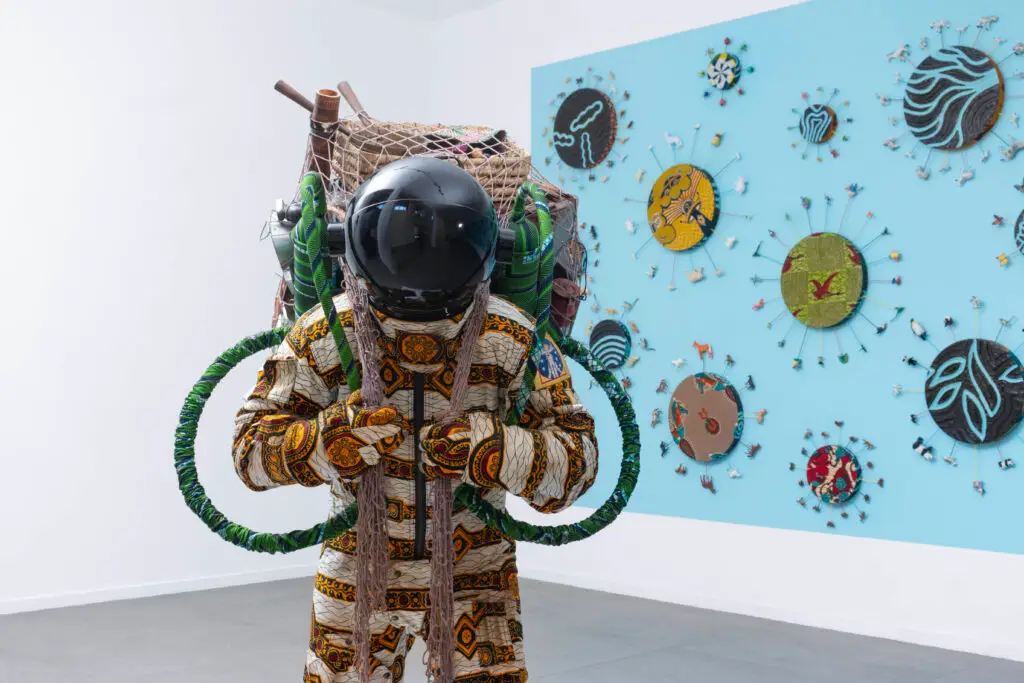
By Alessia D’Introno World cartography, as it is still understood and represented today, can be seen as one of the earliest and most influential examples of the Eurocentric view of the world and history. Published in 1569 by the Flemish cartographer Gerardus Mercator, the Mercator projection forms the basis of the most widespread representation of […]
Under the Umbrella of Power: Archive, Legacy, and Sovereignty. Interview with Artist Rita Mawuena Benissan
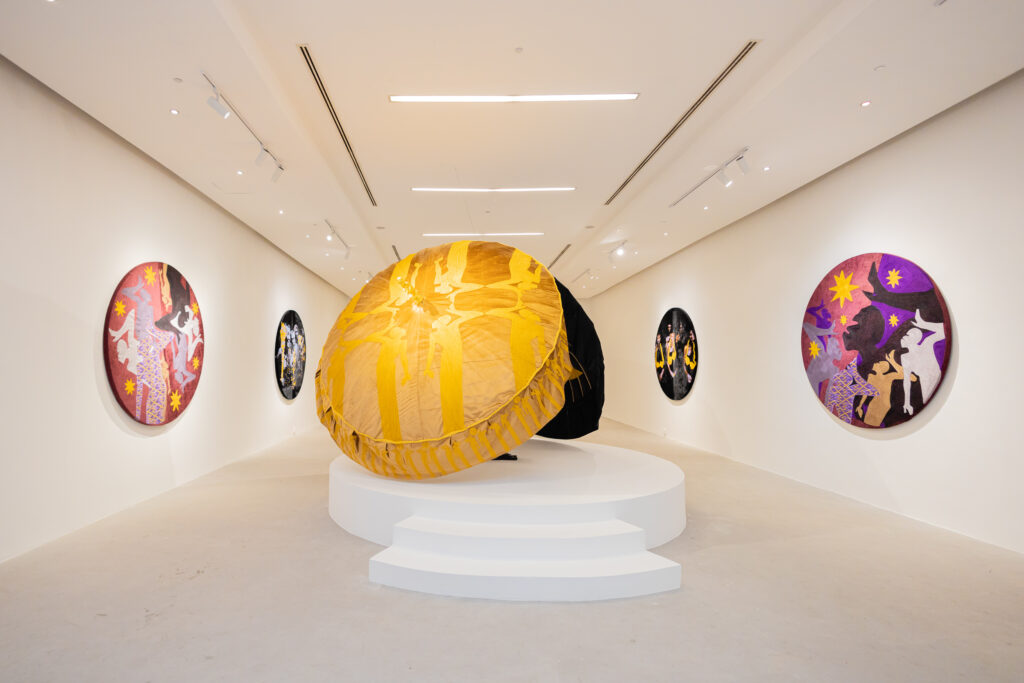
By Alessia D’Introno “I always say like I want people whenever they leave an exhibition or they look at my work, I want them to feel that they’re a king or a queen mother for that day. So, they feel royal for that day. You know, a lot of times we might not have anything […]
At the Venice Biennale, Caroline Gueye’s Architectures of Vision for the Senegal Pavilion
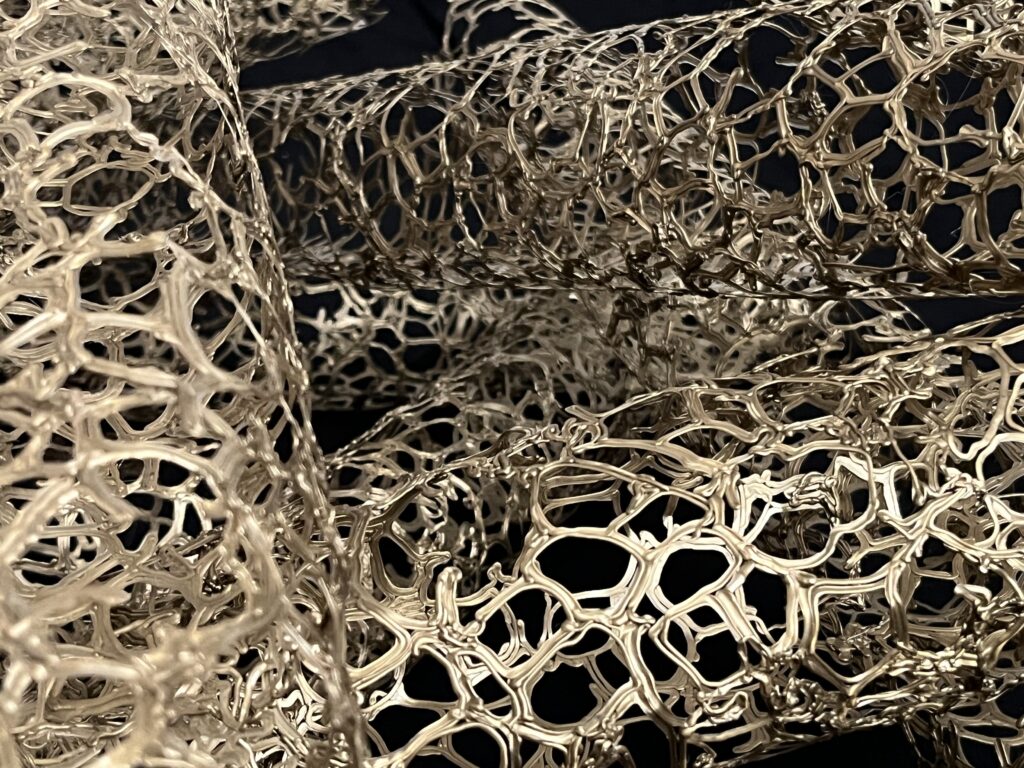
by Alessia D’Introno Observing an artwork from every angle, only partially, or from a certain distance places us in relation to a perception that inevitably changes. The availability of our gaze, the point from which we observe, the light, time, and space all play a major role in shaping our interpretation.This concept is not so […]
The colonial archive in the photography of Délio Jasse
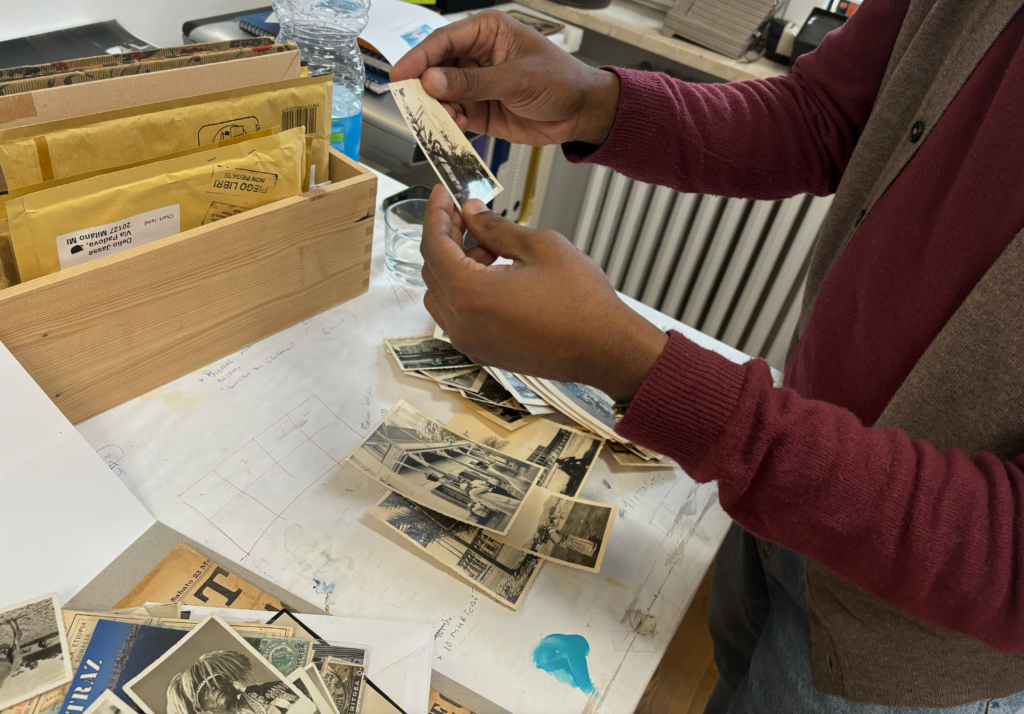
By Alessia D’Introno In his studio, Délio Jasse shows the repertoire of colonial-era images he collects as an essential part of his work. In this interview, the artist talks about his approach to photography and his participation in the last Dak’Art Contemporary African Art Biennial with the Souvenir d’Italie group exhibition. -Where did the idea […]
Behind paradigms. Interview with Elvira Vannini
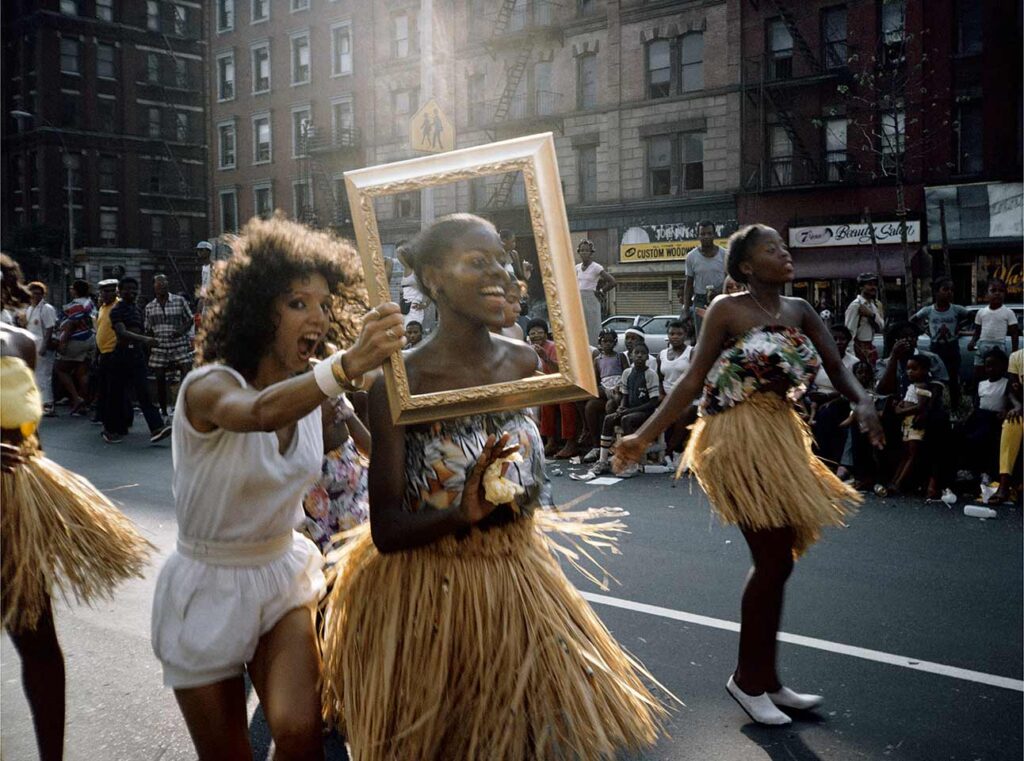
By Alessia D’Introno In a focused and attentive reflection on contemporary art and its post-colonial paradigms, Elvira Vannini, art critic and historian, disseminates an all-feminist, ecological and anti-imperialist art. Through her magazine Hot Potatoes, she formulates a new critique. In her case, the terms feminism and de-colonialism do not imply a passing fad, but the […]
Shaping the fire. The Pavilion of the Democratic Republic of Congo at the Venice Biennale
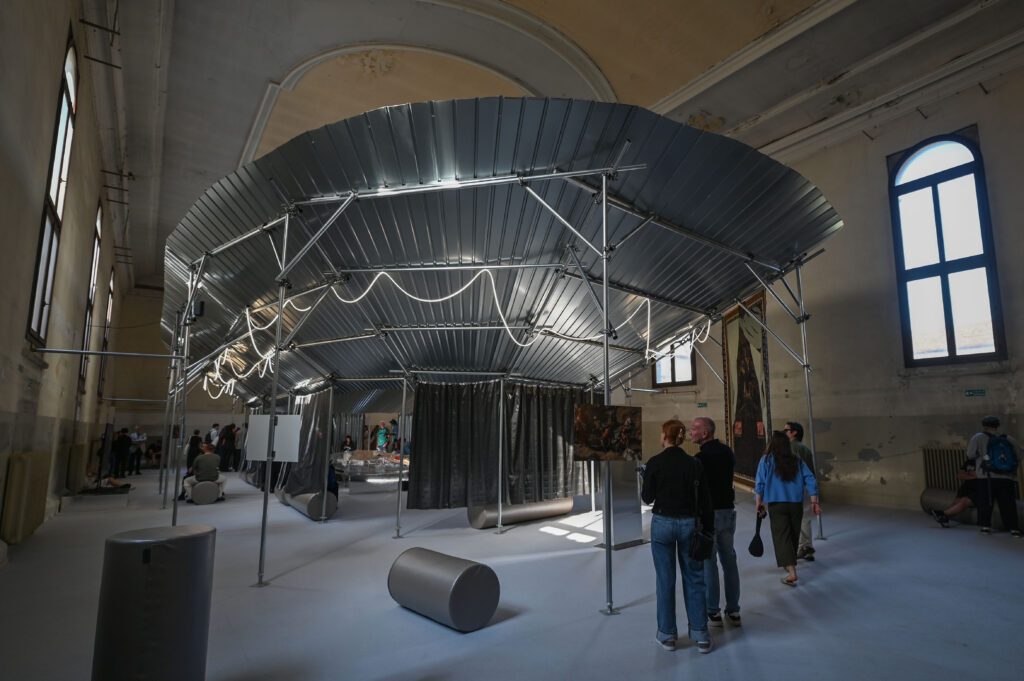
By Alessia D’Introno The high quality of international contributions from Africa to the 61st International Exhibition of the Venice Biennale is already evident in the very act of presenting, within a global institution, their own ways of relating, identifying, and speaking about themselves. Among the plausible explanations for continuing to maintain national pavilions in an […]
Amoako Boafo at Palazzo Grimani: The Power of Blackness in Portraiture
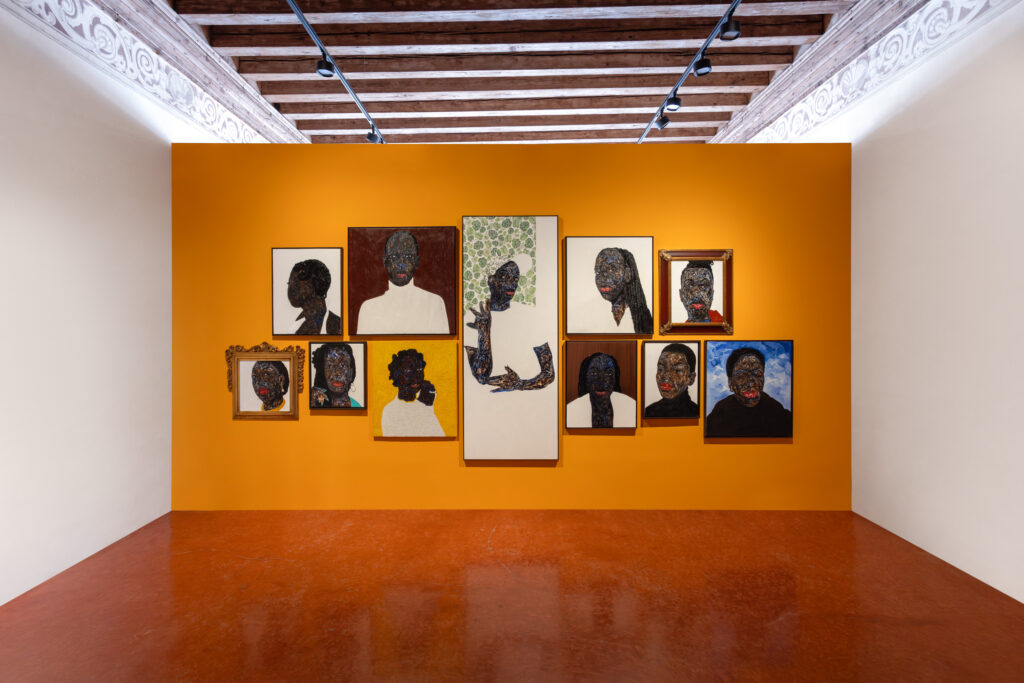
By Alessia D’Introno Amoako Boafo’s portraiture is striking for its colour, the intensity of his subjects’ gazes, and their self-assurance. At the Palazzo Grimani Museum, this time, it is above all the textures of the garments he paints that surprise us. The Ghanaian artist, in Italy for the first time with It Doesn’t Have to […]