By Manzuma Bukayomi F.
When we think of Art fairs, certain things comes to mind quickly; gallery booth, artwork presentation, professional opportunities, collectors, art sales and market transactions and so on. Often times we measure the success of an art fair by the amount of visibility it generates, the sales it makes, the professional connections it establishes during the events. Yet, beyond these measures, there is something in particular we often overlook and it’s the wider cultural and infrastructural value they generate, because an art fair can do considerably more than facilitate the presentation and exchange of artworks. And ART X Lagos, 2026 has given us a substantial opportunity to examine beyond its commercial exhibition function.
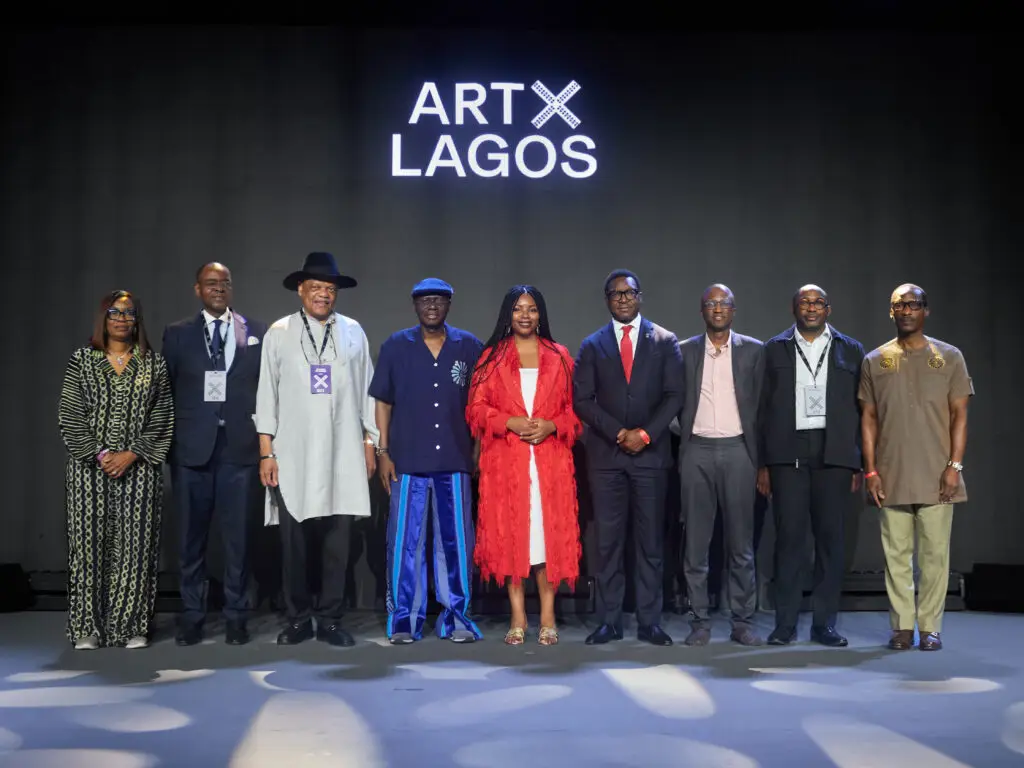
Founded in 2016 by Tokini Peterside-Schwebig. In its 2026 edition, its programme extended beyond gallery presentations to include ART X Talks, ART X Cinema, ART X Live, ART X Prize, the Development Forum, ART X ICON, the Schools’ Programme, RESONANCE, amongst other initiatives. Following its 10th anniversary in 2025, ART X Lagos returned in 2026 for its 11th edition, themed “A New Chapter, A New Decade.” The theme signals a new phase centred on cultural inheritance, transformation and and how Nigerian modernist traditions can inform contemporary practice. Ultimately, the ART X Lagos, 2026 central question was “How do we draw on the histories that shape us and use them to help move us forward while remaining connected to them?” Which is why it’s important to zoom the lens on how the programme put that proposition into practice.
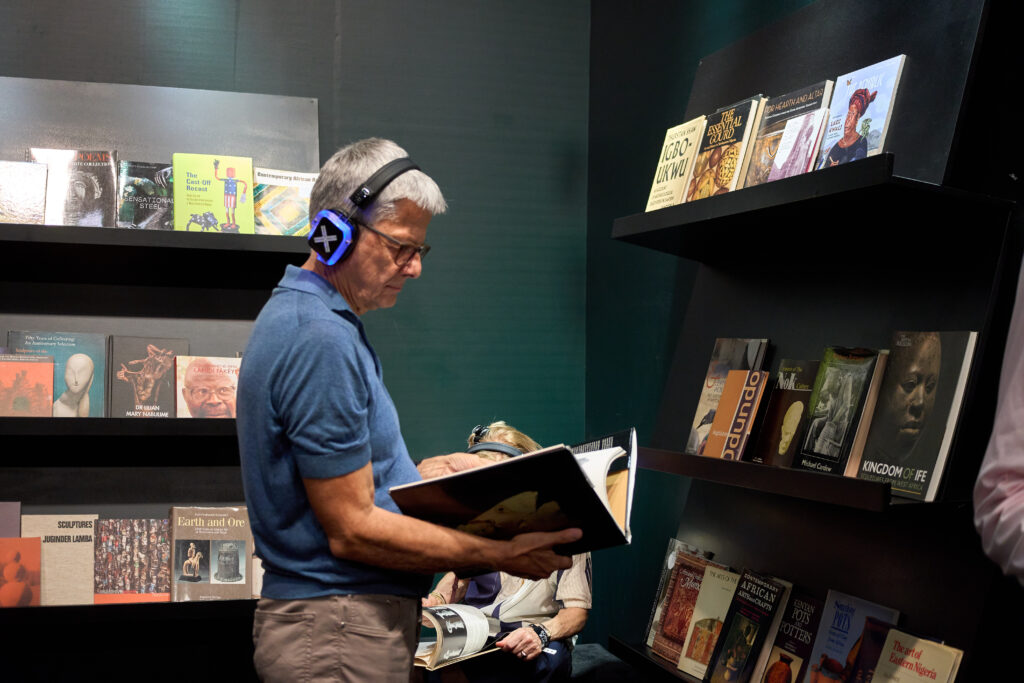
Beyond the production and presentation of artworks, artistic practice relies on knowledge, historical understanding, professional support, interpretation layer, institutional resources, circulation, and opportunities for exchange. In that same light, an art fair’s contribution makes can be examined through the infrastructural and cultural conditions it creates around artistic practices, not just the artworks presented or transactions it facilitates. These conditions are often distributed across an art ecosystem, but an art fair that brings these activities together temporarily creates a meeting point for several of these conditions. Because an exhibition can help to present artistic output but cultural infrastructure helps establish the conditions in which artistic practice can develop. The programmes reveal how the fair contributes to the conditions surrounding artistic practice. For example, the ART X Library, an initiative and a physical resource. In my interview, Missla Libsekal, the Library’s curator since its inaugural edition in 2023, explained what informed its creation. She Identified limited access to art research resources and approached CCA Lagos to bring its institutional resources into the fair, leading to the Library’s creation. This year, the GAS foundation contributed books from its art book collection to the Library. Her thematic selection encompassed Nigerian modernism, contemporary art, art of collecting, material histories, and critical framework. When I asked about the continuity of the library beyond the fair in the interview, Missla pointed towards institutions such as GAS foundation and CCA Lagos as they offer avenues for continued engagement with research and cultural resources.
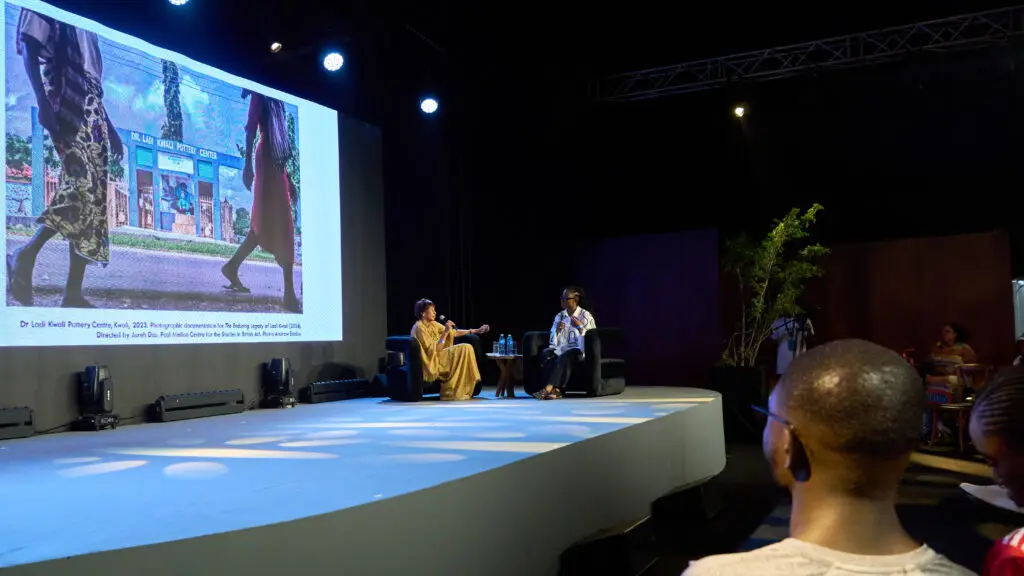
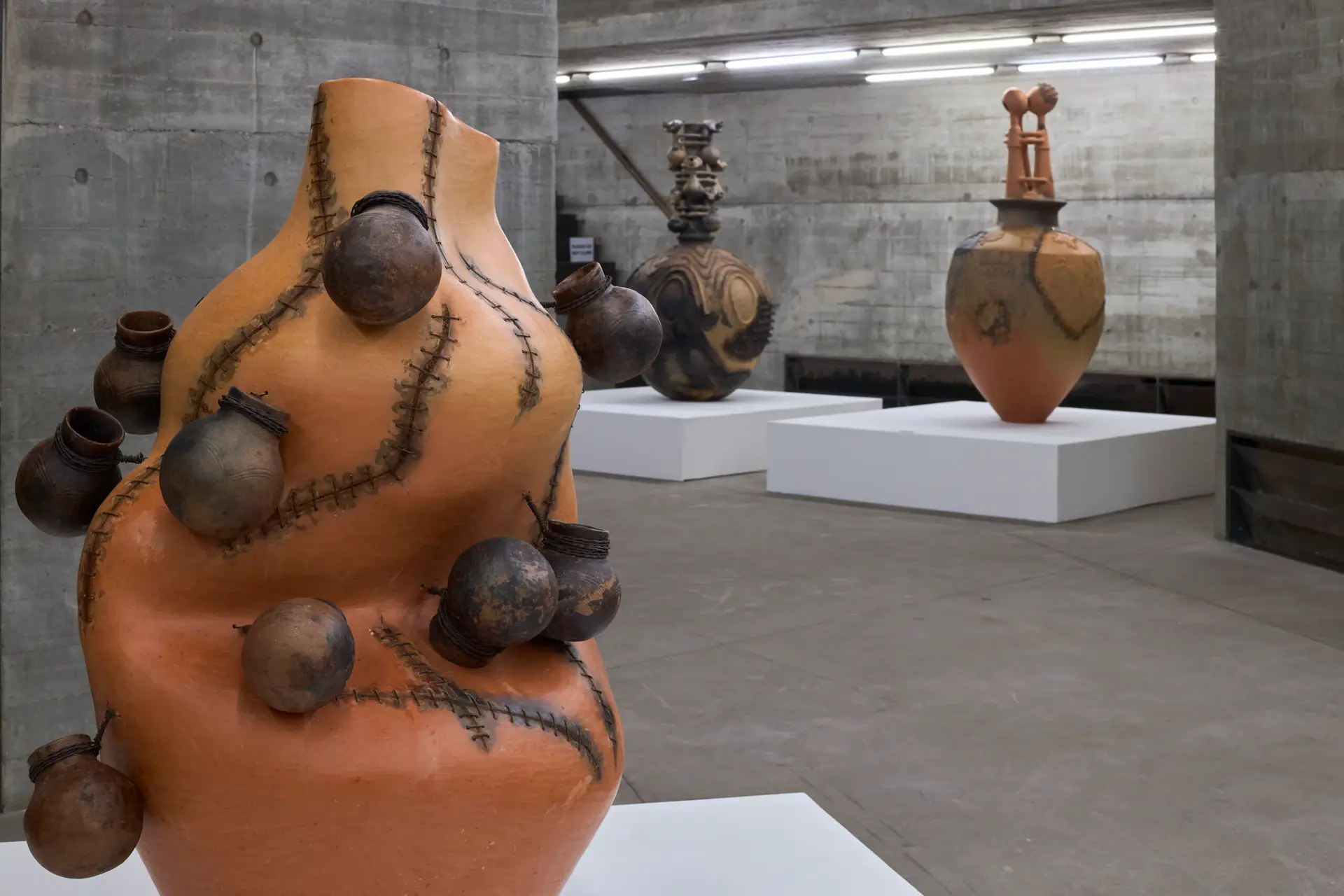
Similarly, ART X ICON’s Ladi Kwali: Beyond the Vessel approached cultural infrastructure through historical recovery, archival interpretation and expanded representation. Dr. Jareh Das, the curator of the exhibition, shared during the programme with Isis Edwin-Dove, her encounter with the recurring historical misrepresentation of Ladi Kwali’s recognition and importance as an artist dependent on Michael Cardew during her research. Kwali had learnt pottery from her aunt, mastered hand-building and coiling techniques within Gbari matrilineal traditions, and was already working within an established pottery culture before the Pottery Training Centre was founded by Cardew in 1951.
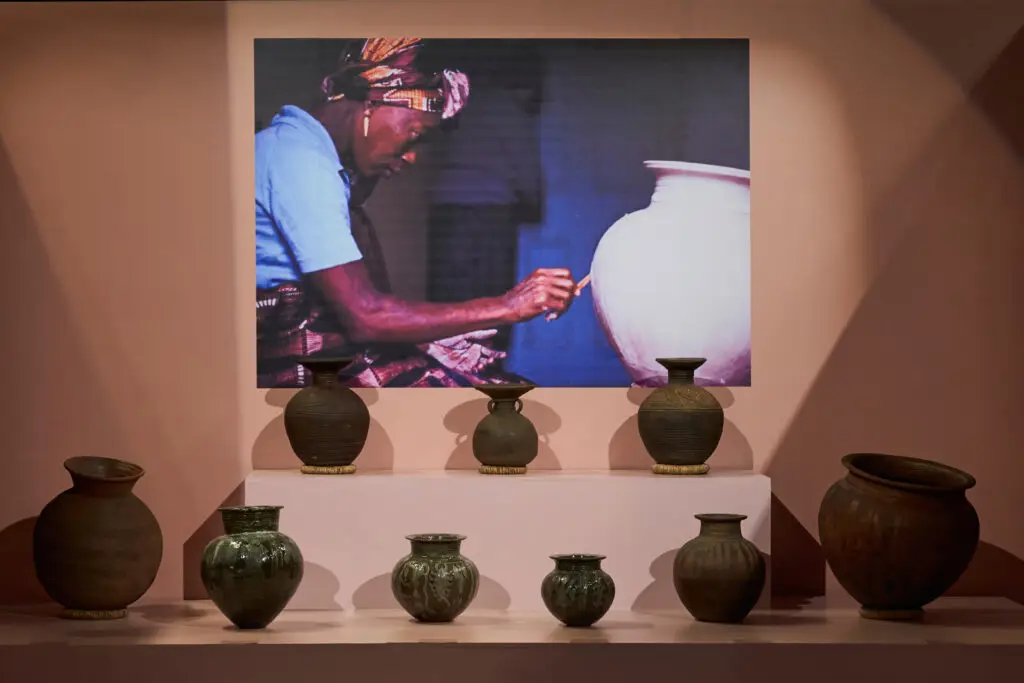
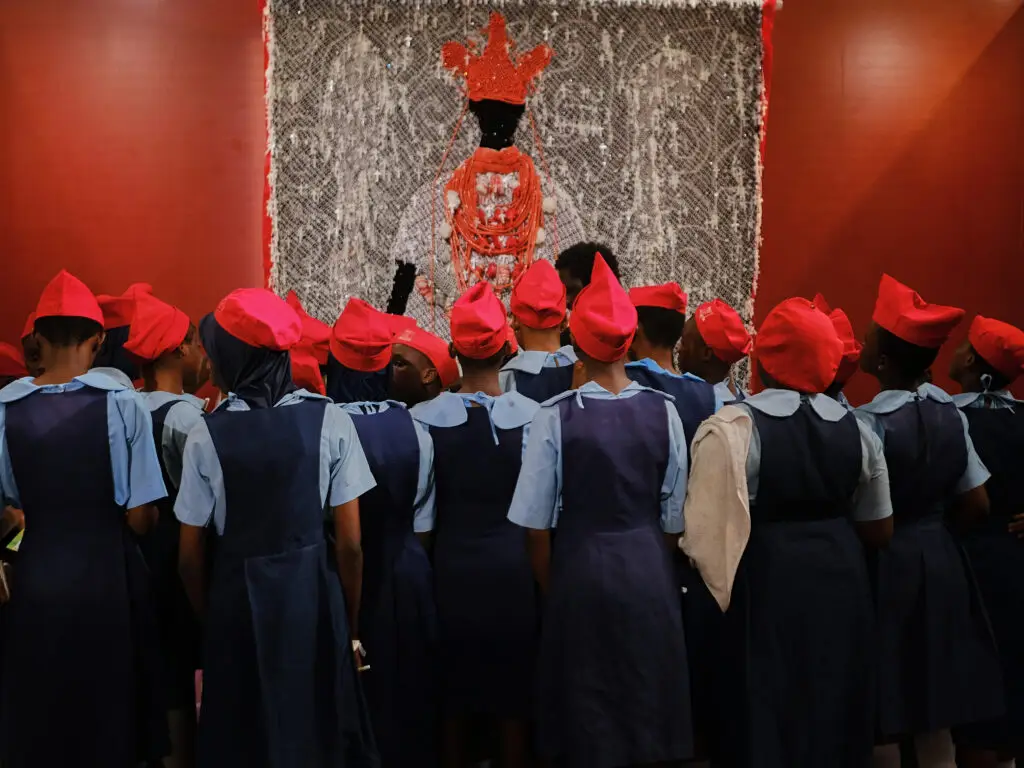
Essentially, she had pre-existing artistic agency and indigenous knowledge before Cardew’s intervention. The exhibition placed Kwali alongside Kande Ushafa and Asibi Ido; two women potters from her community who worked alongside and after her, and potteries from Gbari, Nupe and Bida traditions, recognizing the collective lineage through which artistic knowledge develops. Isis Edwin-Dove also discussed an essay she wrote in 2018 questioning the museum’s placement of Kwali’s water pot in the Making Ceramics gallery rather than the International Studio Potters gallery, challenging the interpretative framework surrounding her recognition and influence. Through Ladi Kwali: Beyond the Vessel, ART X ICON brought together ceramics, archival materials and the works by other women potters to create opportunities for historical contextualization, expanded representation and recognition.
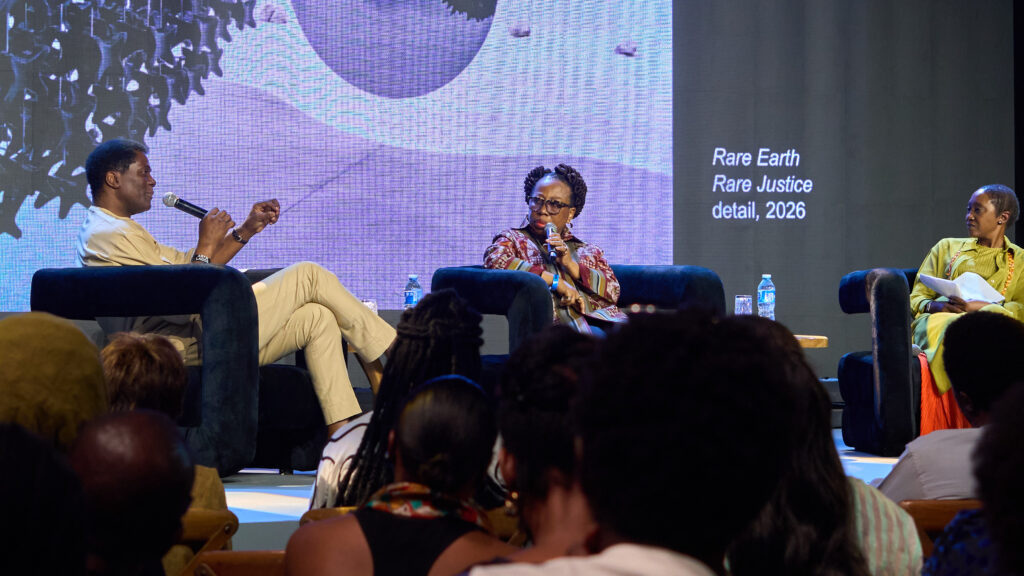
During an Art X talk, Femi Lijadu and N’Gone Fall discussed with Ndidi Dike her artistic practice over the years. N’Goné Fall, a curator and cultural practitioner, provided historical and professional context, making Dike’s practice accessible to audiences. Femi Lijadu, a collector and lawyer, recalled meeting Ndidi in the late 80s, he stated she was on a very lonely path because her work wasn’t commercial in the normal sense but she was very determined and focused that she stuck to it. One could tell Femi doesn’t merely look at artworks, he reads them. Most importantly, he understands collecting as a relationship, not simply as mere transaction. Perhaps every artist needs a Femi Lijadu. N’Goné Fall’s role highlighted the curator’s responsibility to represent artists faithfully, particularly when they cannot communicate their intentions directly. The conversation highlighted several of Ndidi Dike’s works; The National Grid, A History of a City in a Box, Blackhood: A Living Archive, and so many others. Discussing these works at the talk provided historical context and revealed artistic continuity. This conversation revealed how sustained relationships between artists, collectors and curators contribute to the interpretation, understanding and continued circulation of artistic practices.
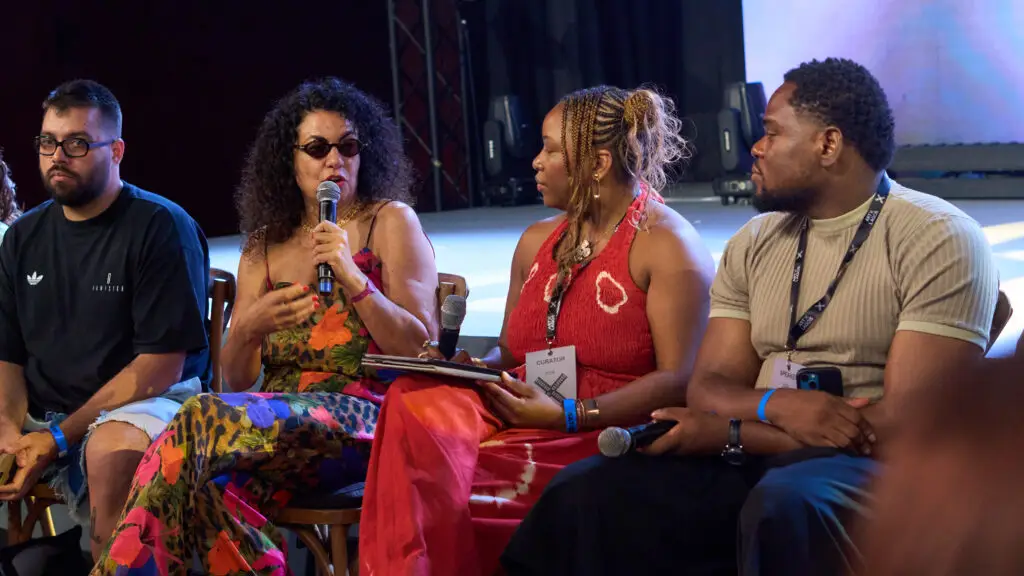
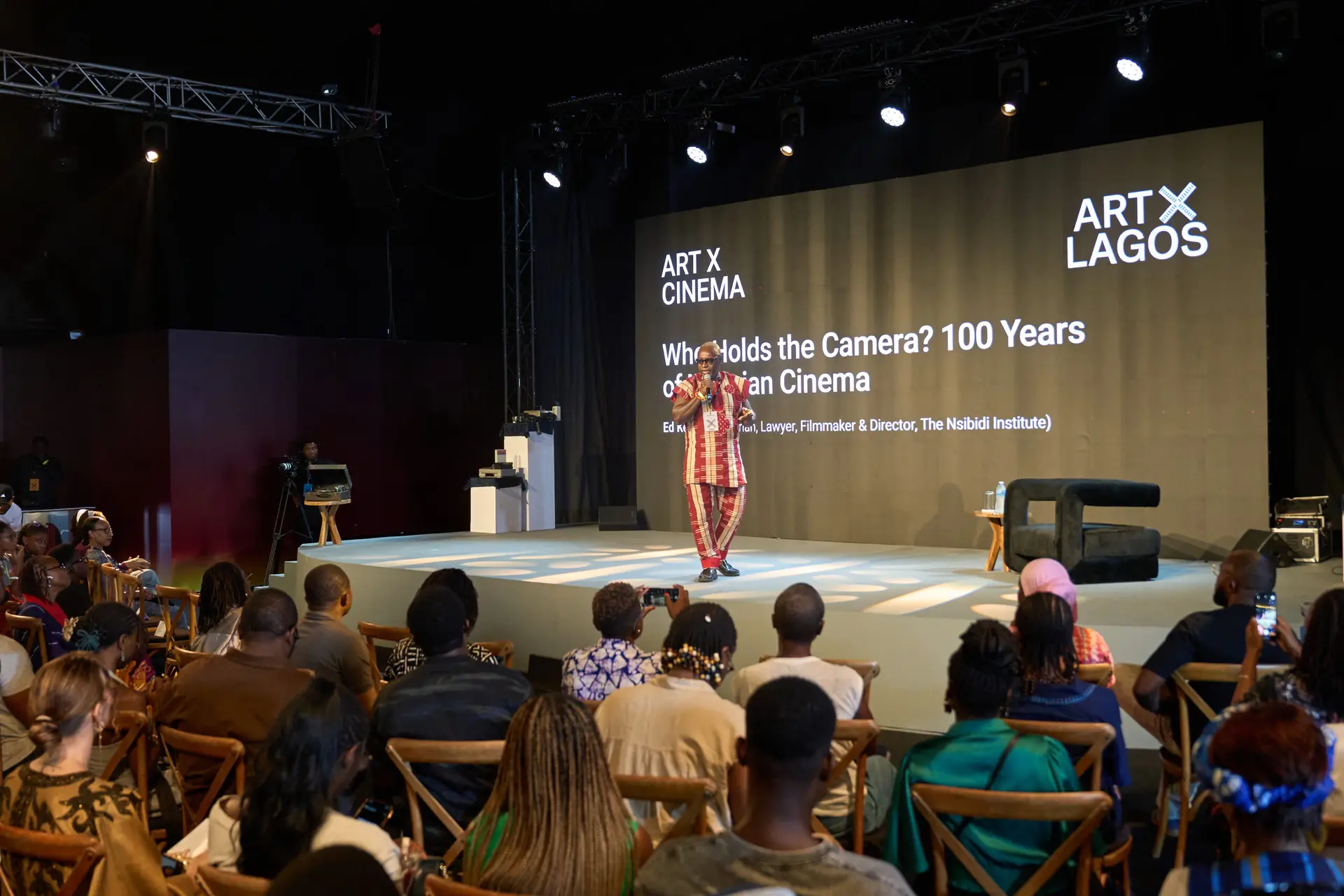
Beyond historical interpretation and access to knowledge, the conditions supporting artistic practice also depend on professional infrastructure, cultural circulation and institutional engagement. The Development Forum, themed ‘New Horizons: Building Artist-Led Infrastructure in Africa’, brought together practitioners behind independent initiatives across Nairobi, Harare, Luanda, Marrakech and Lagos. It explored how independent practitioners address constraints around production space, materials and professional development. The ART X Cinema explored cultural memory through Who Holds the Camera? 100 Years of Nigerian Cinema, a screening and conversation with historian Ed Keazor that traced the development of Nigerian cinema. Meanwhile, my interviews with Dare Herald and SMO Contemporary’s programme officer offered further insight into the institutional structures through which artistic practices are developed, presented and circulated.
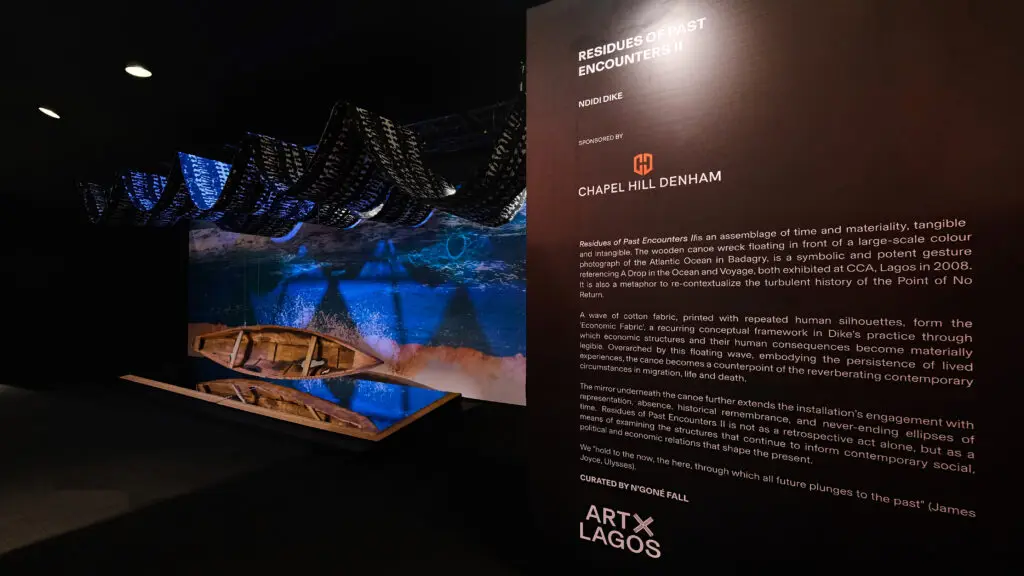
ART X Lagos demonstrates that the contribution of an art fair to ecosystem development extends beyond exhibitions and commercial presentations. Through its knowledge platforms, historical recovery, artistic interpretation, professional engagement, spaces for cultural dialogue and more, the fair creates opportunities for artistic practice to be understood, supported and connected to wider cultural histories. Yet, the recognition of these significant activities keeps taking me to one question; how do the resources, relationships, opportunities…essentially, the value generated during the temporary gathering of the fair extend beyond the fair itself? How can it be sustained and translated into long-term capacities? Ultimately, the value of an art fair also lies in what it makes possible beyond the timeline of the event.
ART X Lagos, 2026. 11th edition
5 Nov – 8 Nov 2026
Federal Palace. Lagos, Nigeria
N. November 16, 2026
ART X Lagos is the premier international art fair in West Africa, and a dynamic platform created to celebrate and champion contemporary culture from Africa and its diaspora. Founded by Tokini Peterside-Schwebig in 2016, the fair has since its launch become a global destination, drawing artists and galleries from over 70 countries and attracting participants from 170 nations worldwide, while expanding the boundaries of what an art fair can be.