By Alessia D’Introno
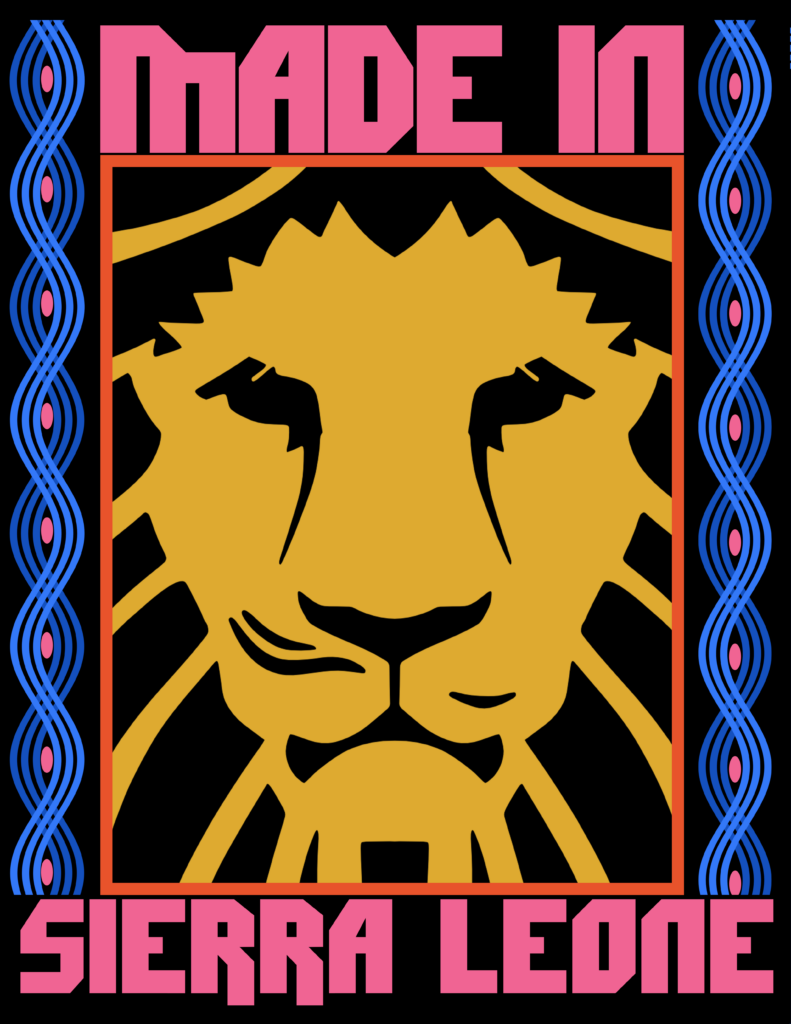
A strong sense of rediscovery and belonging lies at the heart of the work of Sahr Martin Kabba, better known as Sabanoh. Sierra Leone, his birthplace, runs through every one of the artist’s projects as a place of memory, creativity and possibility. Books have become one of the key forms through which this vision takes shape. Photography, archival material, and an original approach to film and design come together to create a contemporary visual language that goes beyond static storytelling. Through Sabanoh’s work, Sierra Leone becomes perceptible, visible, audible and almost tangible. It is no coincidence that Edition 02, to be released this October and building on the path established by his first publication, is entitled Made in Sierra Leone: This is Sierra Leone in Your Hands.
Both Made in Sierra Leone editorial projects were developed in collaboration with unx-art Gallery in Freetown, reflecting the shared ambition of conveying the country’s rich cultural and historical depth. While the first edition focused primarily on everyday life and lived spaces, this new publication broadens its perspective by weaving together historical figures and collective memories.
In this interview with multidisciplinary artist Sabanoh, a portrait emerges of a country in constant evolution, one that is increasingly aware of its own value and cultural heritage.
What led you to create a second edition of Made in Sierra Leone? Do you see it as a continuation of the original project or as a new phase in its development?
Made in Sierra Leone is a tribute to Sierra Leone’s identity, culture, arts and icons. The second edition came after the first, but I see them as one complete project. Edition 02 is essentially the expanded and more complete version of Edition 01.
The development of the second edition was guided by the feedback I received from readers of the first book. What stayed with me most was the feedback itself. Readers wanted to know more about the people featured in the artworks and wanted deeper context around the images and designs. It gave me the opportunity to add more artworks, more designs, more archival material, and more context. One important addition was the inclusion of detailed descriptions explaining the significance of many of the leaders and elders featured in the work and the role they played in Sierra Leone’s history.
In many ways, the second edition is the result of listening to the audience and building upon what resonated most strongly with them in the first publication.
Rather than replacing the first edition, Edition 02 completes it.
Do you see Made in Sierra Leone as an ongoing project that could develop into a series over time?
The themes that inspire Made in Sierra Leone—art, culture, respect, tribute, and Sierra Leonean identity—will continue to appear in my future work. However, Edition 02 is the final edition under the title Made in Sierra Leone.
My next publications will have different titles, but they will continue exploring Sierra Leonean culture, history, and creativity. Sierra Leone will remain at the centre of the work, while also creating connections with African leaders and icons from across the continent.
So while the broader exploration continues, Made in Sierra Leone concludes with this second edition.
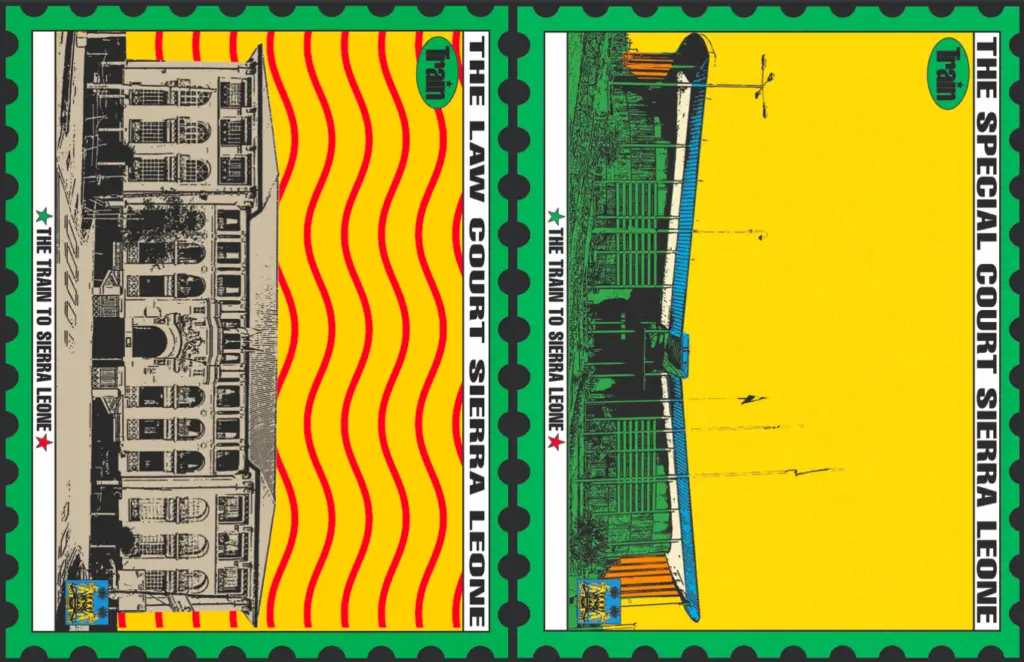
In the first edition, many of the images emerged from your photographic work around the National Stadium, its surrounding environment, and the people connected to it. With Edition 02, where has your attention moved? What kinds of images, places, communities, or stories have become part of this new chapter of the project?
Edition 02 expands beyond the original selection by bringing together more artworks, more designs, more archival references, and a broader range of figures from Sierra Leone’s cultural and historical landscape.
My focus remains on Sierra Leone—its people, leaders, elders, artists, and communities—but with a stronger emphasis on storytelling. The new edition provides more context and more information, allowing readers to better understand the individuals and histories represented throughout the book.
The visual language of Made in Sierra Leone is very distinctive. You’ve described it as a meeting point between your own photographs, archival material, vibrant colours, typography, and graphic design. What kind of visual experience are you hoping to create for someone moving through the book?
I want readers to experience Sierra Leone through art, design, and visual storytelling. Every page is intended to celebrate the country’s culture and identity while paying tribute to the people who have contributed to its history.
The combination of photography, graphic design, archival imagery, colour, and typography allows me to create something that is both contemporary and rooted in history. I hope readers can move through the book and discover different layers of Sierra Leone’s story while enjoying the visual experience.
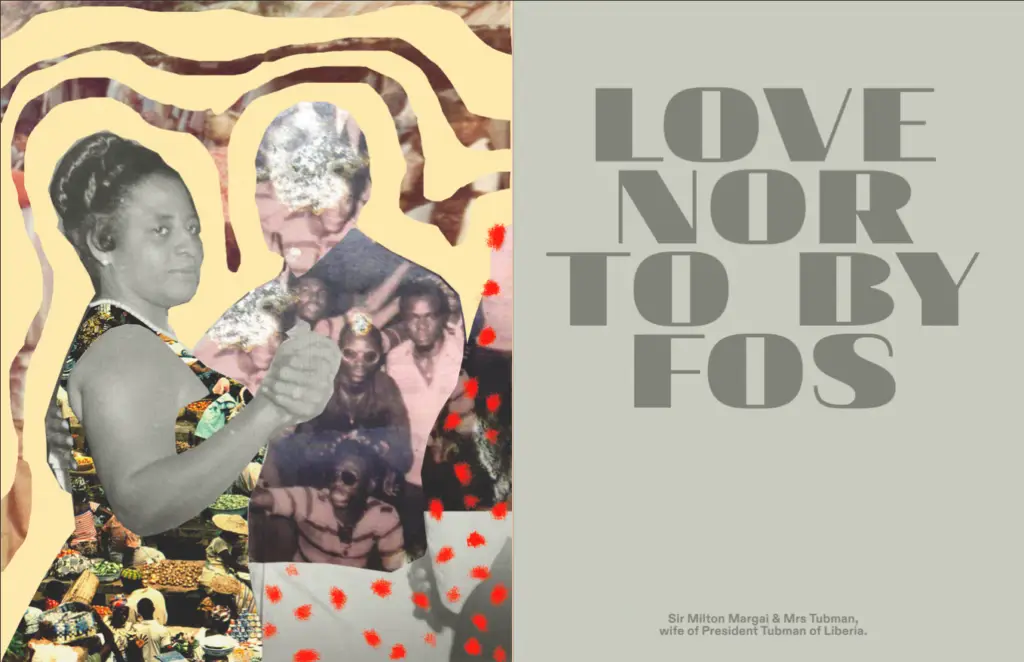
Many of the images you work with are not presented simply as historical documents. Through design, colour, and composition, they become something new. What interests you about this process of reinterpretation?
I am interested in creating new ways for people to engage with history and culture. Through design and composition, historical references can become more accessible, especially for younger audiences.
My goal is not simply to present archival material, but to transform it into contemporary visual experiences that encourage curiosity, reflection, and appreciation for Sierra Leone’s heritage. The creative process allows these stories and figures to speak to a new generation.
Looking across your work more broadly, there seems to be a strong interest in the stories that emerge from the place where you live. I’m thinking, for example, of Train to Sierra Leone. Could you tell us about it?
They are connected through a shared interest in documenting and celebrating Sierra Leone.
Train to Sierra Leone is a separate project from Made in Sierra Leone, but it is driven by the same desire to preserve stories, culture, and history. The project focuses on documenting Sierra Leonean artists, legends, and cultural icons through an extensive archive publication currently in development.
The magazine will span approximately 200 pages and combine documentation, historical material, and artistic expression. It is another way of contributing to the preservation and promotion of Sierra Leone’s cultural heritage.
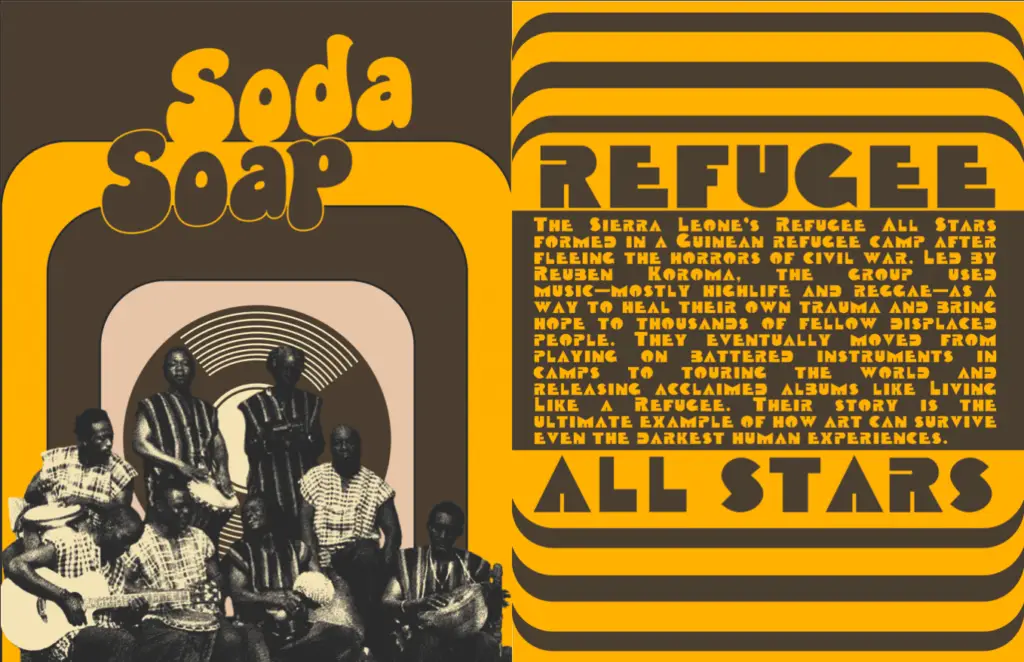
Over the years, you’ve taken on many other projects alongside your work. What do they mean to you?
Alongside my artistic practice, I have been involved in building several creative and community initiatives in Sierra Leone.
Through A.W.A.T.S. and other collaborative projects, I have worked on initiatives focused on arts, youth development, education, film, and community engagement. These include directing films, organising awareness campaigns, supporting creative communities, and helping establish Sierra Leone’s first skateboarding initiatives.
For me, these projects are all connected. Whether I am making books, directing films, designing publications, or working with communities, the goal remains the same: creating opportunities for cultural expression, education, and creative growth.
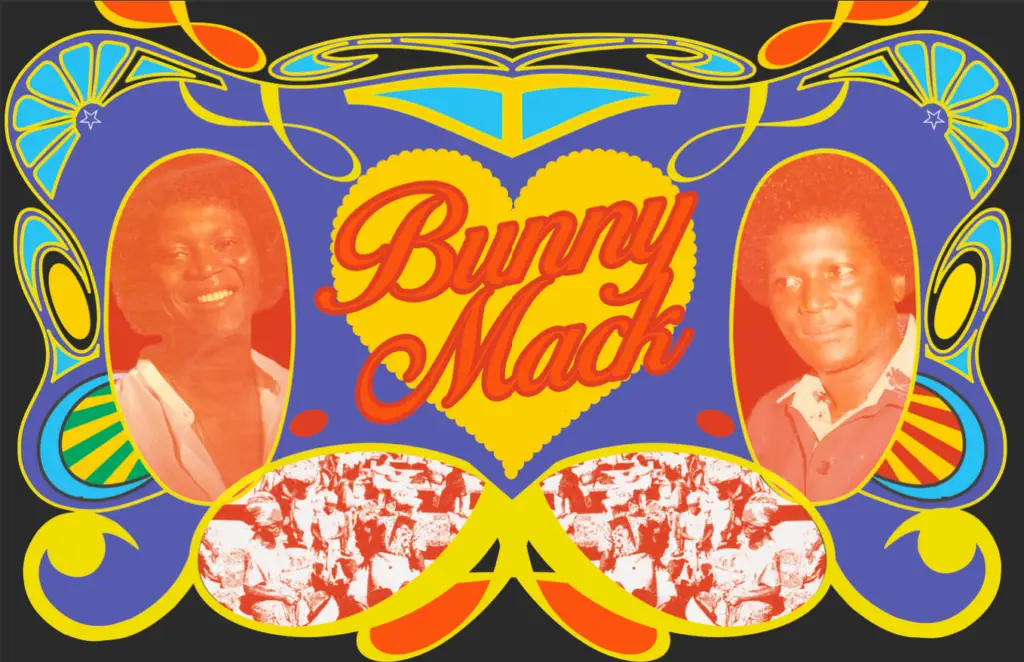
What other projects are you currently working on, and what directions are you most excited to explore next?
At the moment, I am developing several projects across publishing, film, and community-based initiatives.
One major project is the archive magazine connected to Train to Sierra Leone, which documents artists, cultural figures, legends, and icons from Sierra Leone. I am also continuing my work in film, following projects such as Sansan and my collaborations with A.W.A.T.S.
Alongside this, I remain involved in the development of Sierra Leone’s skateboarding community through Skate Salone, helping create opportunities for young people to participate in the sport.
Looking ahead, I am excited to continue exploring new ways of documenting Sierra Leonean culture and sharing its stories through books, design, film, and collaborative creative projects.
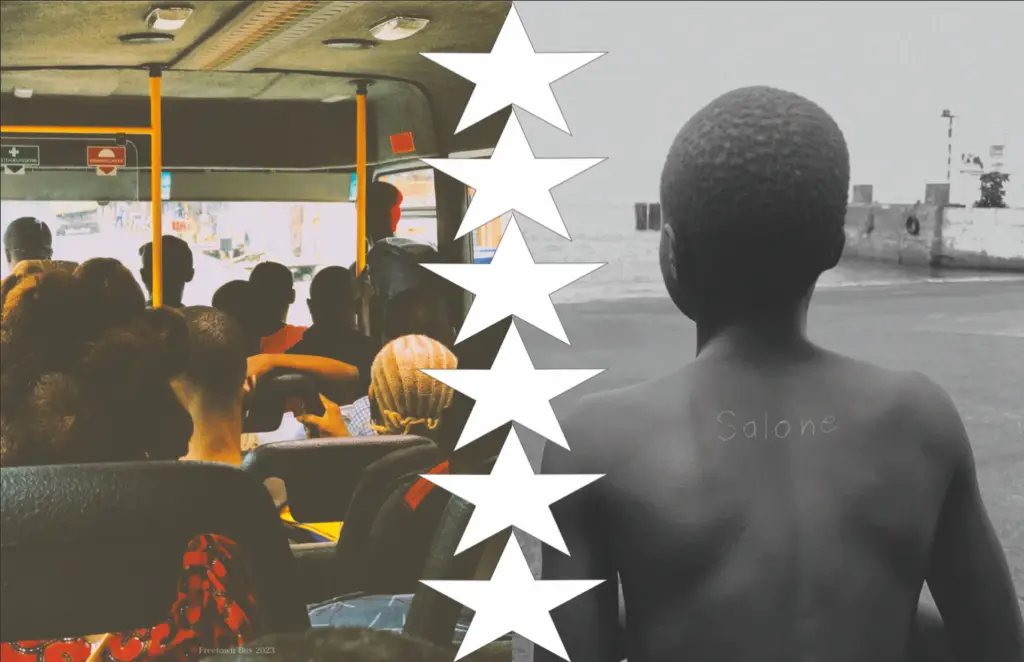
Sabanoh is a multidisciplinary Sierra Leonean artist whose practice spans visual art, design, creative direction, sound, and identity-building. Known for his layered approach to archival material, graphic codes, and colour-driven composition, his work has appeared in It’s Nice That, i-D, and through collaborations with NBA Africa, Cambridge University, and creative communities across West Africa.
Translation by Luigina D’Introno
Book Launch — Made in Sierra Leone Edition 02
1 October, 2026
unx-art Gallery, Leicester Peak, Freetown

Alessia D’Introno is Editor-in-Chief of the African contemporary art magazine Equator Echoes, registered in the Special List of the Lombardy Journalists’ Association. She holds a Master’s degree in Visual Arts and Curatorial Studies from NABA, Milan, and has completed a postgraduate course in Demoethnoanthropological Heritage at the University of Milano-Bicocca. She has published articles in Juliet Art Magazine and ArtsLife. Her critical and curatorial research focuses on the deconstruction of classical art history and the decolonization of the contemporary European art system.
N. June 20, 2026